
Dry Needling for Pain Relief and Muscle Recovery





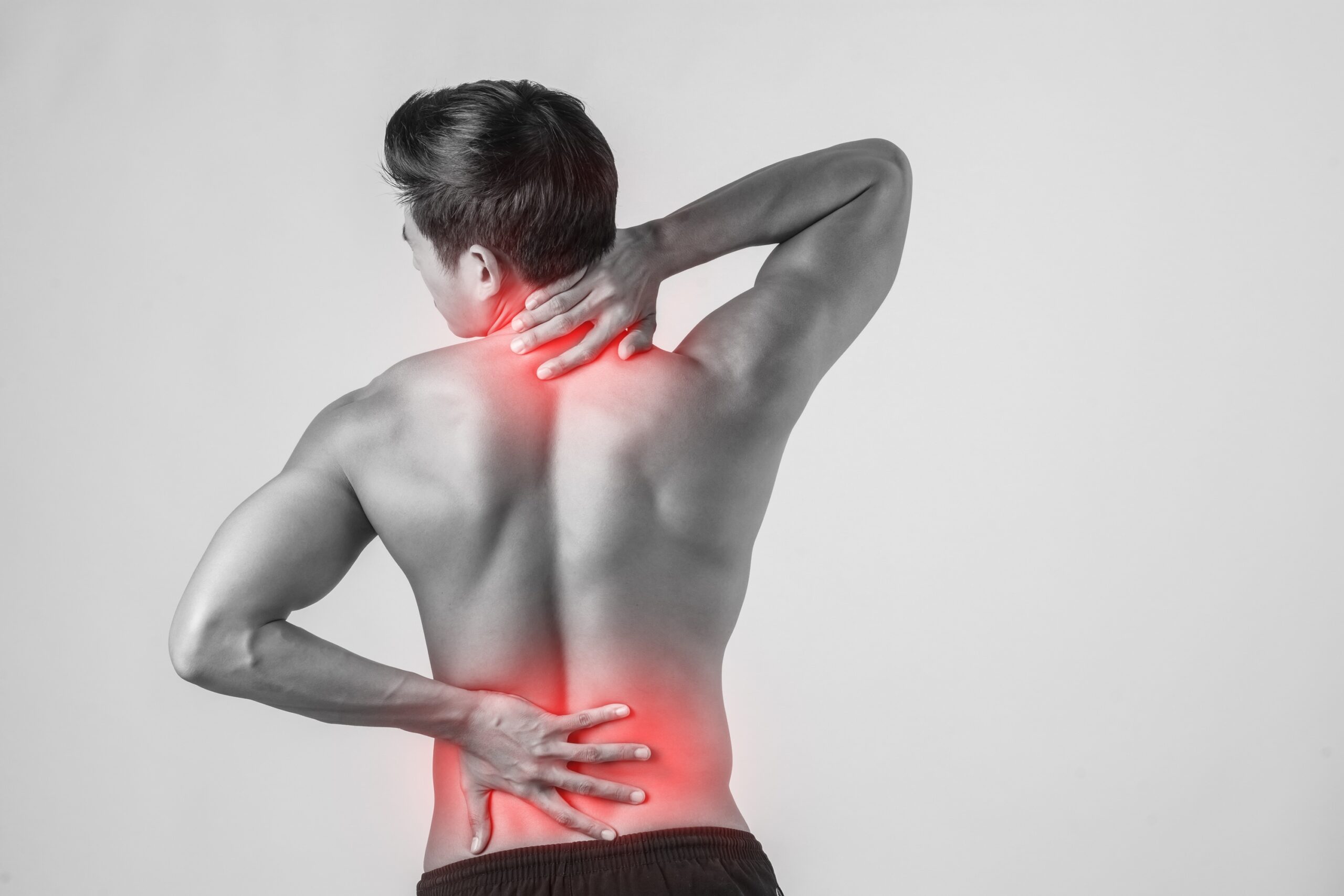
Dry needling helps resolve these problems by targeting the source of tension. Whether your pain is from training, work, sport, or daily stress, this treatment helps release muscle dysfunction and supports a faster return to pain free movement.
What Is DRY NEEDLING?
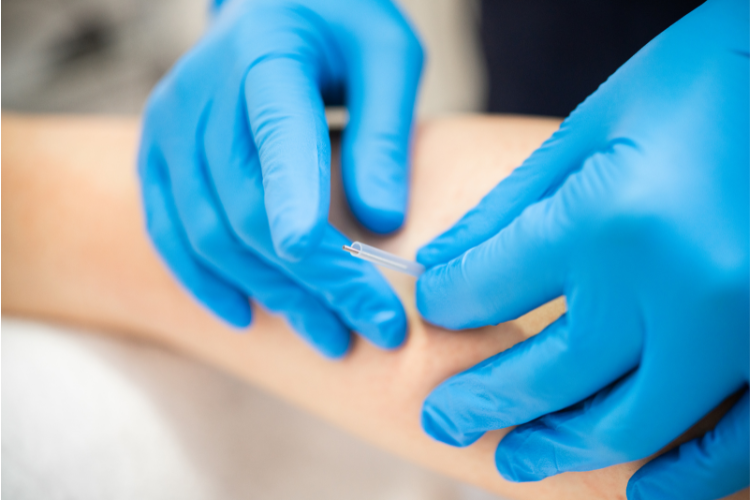
It involves the insertion of thin, sterile acupuncture needles into specific trigger points within the muscles.
This process helps to release muscle tension, alleviate pain, and promote healing, ultimately improving your overall well-being and physical performance.
Dry needling is suitable for a wide range of people, including:
- Athletes with recurring tightness or overuse injuries
- Desk workers with neck, back, or shoulder tension
- People experiencing headaches linked to muscle tightness
- Individuals recovering from sports injuries
- Anyone with chronic muscle pain or restricted movement
- Patients whose progress has plateaued with stretching alone
If you feel recurring tightness, deep knots, or pain that does not resolve with stretching, dry needling may be an effective next step in your treatment plan.
How Dry Needling Works
Dry needling uses fine, single use needles that are inserted gently into tight or irritated muscles. These muscles often contain trigger points that create pain, stiffness, or restricted movement. By targeting these points, dry needling encourages the muscle to relax and function normally again.
Here is what happens during treatment:
Trigger Point Release
The needle helps the muscle contract and then reset, releasing long held tension.
Improved Blood Flow
Dry needling increases circulation to the area, supporting healing and reducing inflammation.
Pain Reduction
Releasing muscle tension removes excess pressure on nerves and reduces local pain.
Better Muscle Function
As muscles relax, movement becomes easier, more controlled, and less painful.
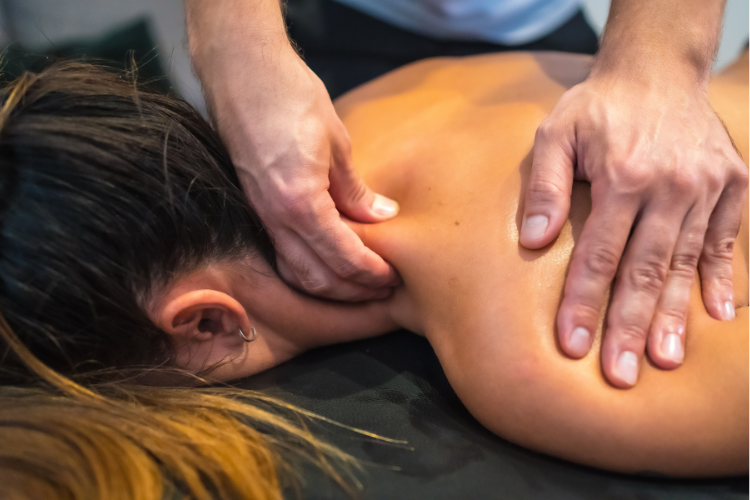
Dry needling is often combined with physiotherapy exercises and hands on treatment to help you achieve long lasting results.
Your physiotherapist assesses your movement, posture, strength, and symptoms to identify which muscles are contributing to your pain.
2. Targeted Treatment Plan
Based on the assessment, specific muscles or trigger points are selected for dry needling.
3. Needle Application
Fine needles are inserted into the targeted areas. You may feel a slight twitch or ache, which signals the muscle releasing.
4. Muscle Reset and Relaxation
As the muscle relaxes, tension decreases and movement becomes easier.
5. Strength and Mobility Reinforcement
Your physiotherapist may prescribe exercises to reinforce improved movement and prevent tension from returning.
Dry needling often provides immediate relief, but long term improvement comes from combining it with personalised strength and mobility work.
Benefits of Physiotherapy Dry Needling
Pain Relief
Dry Needling can effectively alleviate pain by targeting the source of discomfort in the muscles.
Improved Mobility
By releasing muscle tension and reducing pain, Dry Needling can help enhance your range of motion and overall mobility.
Reduced Muscle Stiffness
The technique can help to relieve muscle stiffness, making it easier for you to engage in daily activities and physical exercise.
Your physiotherapist will determine how often you need treatment based on your condition, training load, and recovery goals.
Book a session today and take the first step toward better movement and lasting comfort.
Meet Our Team Of Physiotherapists
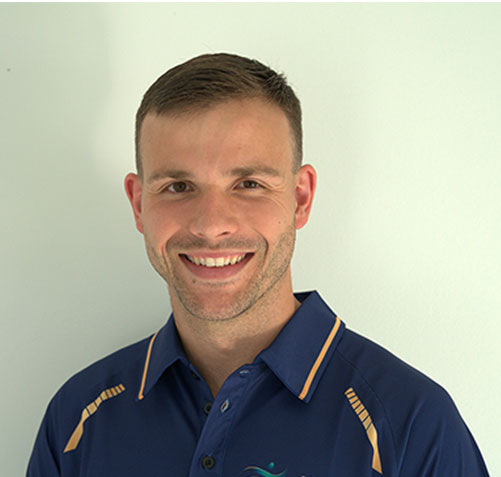
James Newall
Head Physiotherapist / Owner
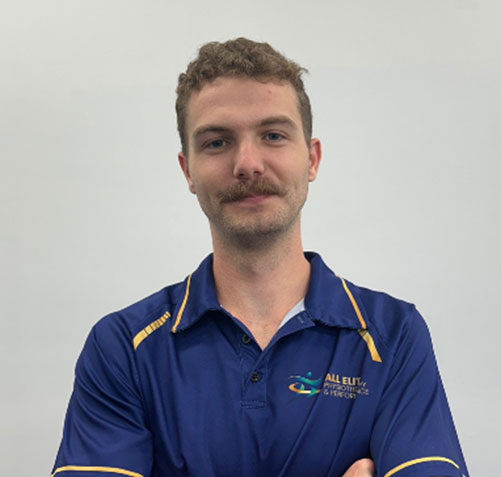
Angus Nichol
Physiotherapist
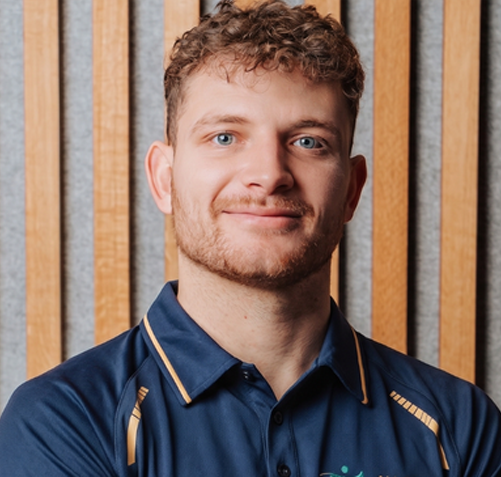
Malcolm Young
Physiotherapist
Why Choose All Elite Physio?
Choosing All Elite for Dry Needling is the best decision you'll make to ignite your athletic potential.
We're just behind Service NSW, across the road from Raymond Terrace Bowling Club.
FAQs
Both use thin needles, but the techniques, goals, and clinical reasoning behind them are different. Physiotherapists use dry needling to directly target dysfunctional soft tissue.