
The 5 Surprising Signs Indicating a Neck Injury
Key Takeaways
- Neck injuries often present in surprising ways, including headaches, shoulder pain, arm tingling, or persistent fatigue.
- Early signs of nerve irritation or joint dysfunction should never be ignored, as symptoms may spread beyond the neck.
- Physiotherapy helps by reducing tension, improving mobility, strengthening weak areas, and restoring proper movement control.
- Addressing neck symptoms early prevents long-term complications and supports a faster, safer return to daily activity or sport.
Neck injuries are often mistaken for simple stiffness or muscle soreness, but the impact can extend far beyond the neck itself. The upper cervical region houses vital neural pathways that influence movement, sensation, balance, and coordination throughout the body. When this area is irritated or injured, symptoms can appear in places you might not expect, making early diagnosis essential.
Neck injuries can affect the surrounding muscles, joints, nerves, and soft tissues, and in many cases the pain travels into the shoulders, arms, or upper back. At first it may feel harmless, but if symptoms continue without proper treatment, neck problems can lead to headaches, dizziness, nerve compression, or reduced mobility. Understanding the early warning signs can help you take action before the issue becomes more serious.
Below are five surprising signs that may indicate an underlying neck injury, how they develop, and why physiotherapy can help you recover safely and effectively.

1. Arm and Hand Numbness, Tingling, or Weakness
Arm or hand symptoms are often dismissed as circulation issues, but they commonly originate from the neck. The nerves supplying the upper limb exit through the cervical spine. If these nerves become irritated, compressed, or inflamed, they struggle to transmit signals effectively.
This can lead to:
- Pins and needles down the arm
- Weakness when gripping or lifting
- Numbness in the fingers
- Radiating pain into the shoulder
Symptoms like these often develop when the balance between physical stress and recovery becomes disrupted. This relationship between load and capacity helps explain why neck structures become irritated when demands exceed what the tissues can tolerate.
Physiotherapy helps by improving joint movement, restoring nerve mobility, and strengthening the stabilising muscles around the neck.
2. Headaches Originating from the Base of the Skull
Headaches that originate at the base of the skull and move toward the forehead or temples are commonly associated with irritation in the upper cervical joints. These headaches often feel like pressure, muscle tension, or a tight band around the head.
Prolonged sitting or slouched positioning contributes heavily to these headaches. Better control of your posture often reduces the strain placed on the upper neck, easing tension and improving comfort during daily activities.
Physiotherapy helps by restoring joint motion, releasing tight muscles, and building strength through the deep stabilising neck muscles.
3. Shoulder and Upper Back Pain or Tenderness
Neck injuries frequently cause pain in the shoulders or upper back because these regions rely on shared muscles and nerves. When the neck becomes irritated, surrounding muscles compensate, becoming tight, fatigued, or overworked.
You may feel:
- Stiffness through the upper back
- Tension across the tops of the shoulders
- Soreness between the shoulder blades
- Fatigue during lifting or sitting
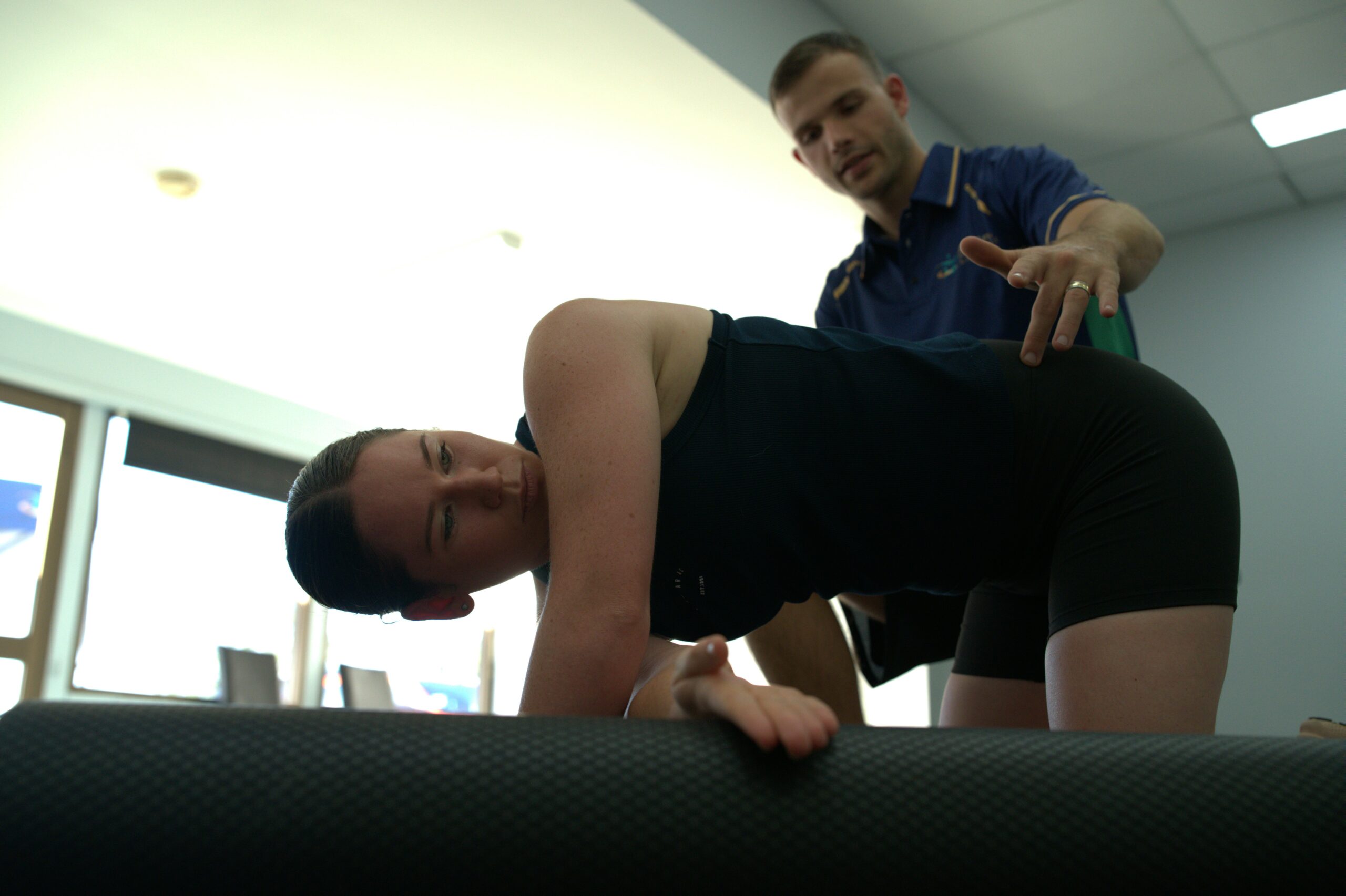
Strengthening the stabilising muscles in the neck and upper back can ease these symptoms. Many of these movements resemble rehabilitation exercises designed to improve coordination, flexibility, and muscle balance throughout the upper body.
4. Chronic Fatigue and a Heavy Head Feeling
Persistent fatigue can sometimes be linked to poor support from the deep stabilising muscles of the neck. When these muscles weaken or become overloaded, surrounding tissues must work harder to support the head, leading to a heavy or tired feeling.
This often appears alongside:
- Brain fog
- Trouble concentrating
- Neck tightness
- Upper back discomfort
Fatigue around the neck often occurs when daily demands exceed what the cervical muscles can manage. Understanding load and capacity gives insight into why the neck becomes overwhelmed and fatigued even during light activities.
Physiotherapy helps by improving endurance in the deep neck muscles and restoring balance between mobility and strength.
5. Dizziness, Blurry Vision, or Poor Coordination
Neck injuries can sometimes affect coordination and balance because the cervical spine contains receptors that help your brain monitor head and body position. Irritation or inflammation in these areas can disrupt these signals.
You may notice:
- Lightheadedness
- A sense of spinning
- Unsteadiness when walking
- Blurry vision during neck movements
Physiotherapy reduces these symptoms by improving cervical joint movement, relaxing tight muscles, and restoring the normal feedback between the neck and the brain.
Common Causes of Neck Injuries
Neck injuries often develop from a combination of poor movement habits, weakness, and sudden strain. Some frequent causes include:
- Poor posture during work or study
- Sleeping in uncomfortable positions
- Repetitive strain from sport or physical activity
- Sudden movements or whiplash
- Weak stabilising muscles
- Stress-related tension
- Overuse during training
Identifying the cause is the first step toward effective treatment.
At-Home Pain Relief for Neck Discomfort
Some simple strategies can help reduce mild neck discomfort while you seek professional care.
Stretching and Mobility
Gentle movements such as lateral stretches and neck rotations improve flexibility and reduce stiffness.
Strengthening
Exercises like chin tucks, shoulder shrugs, and core activation drills help support the cervical spine. Maintaining strength through the shoulders and upper back reduces strain on the neck.
Heat Therapy
A warm compress relaxes muscle tension and improves blood flow.
Posture Improvements
Adjusting workstation setup and strengthening postural muscles reduces stress on the neck. If pain persists for more than a few days, physiotherapy assessment is recommended.
How Physiotherapy Helps Neck Injuries Heal
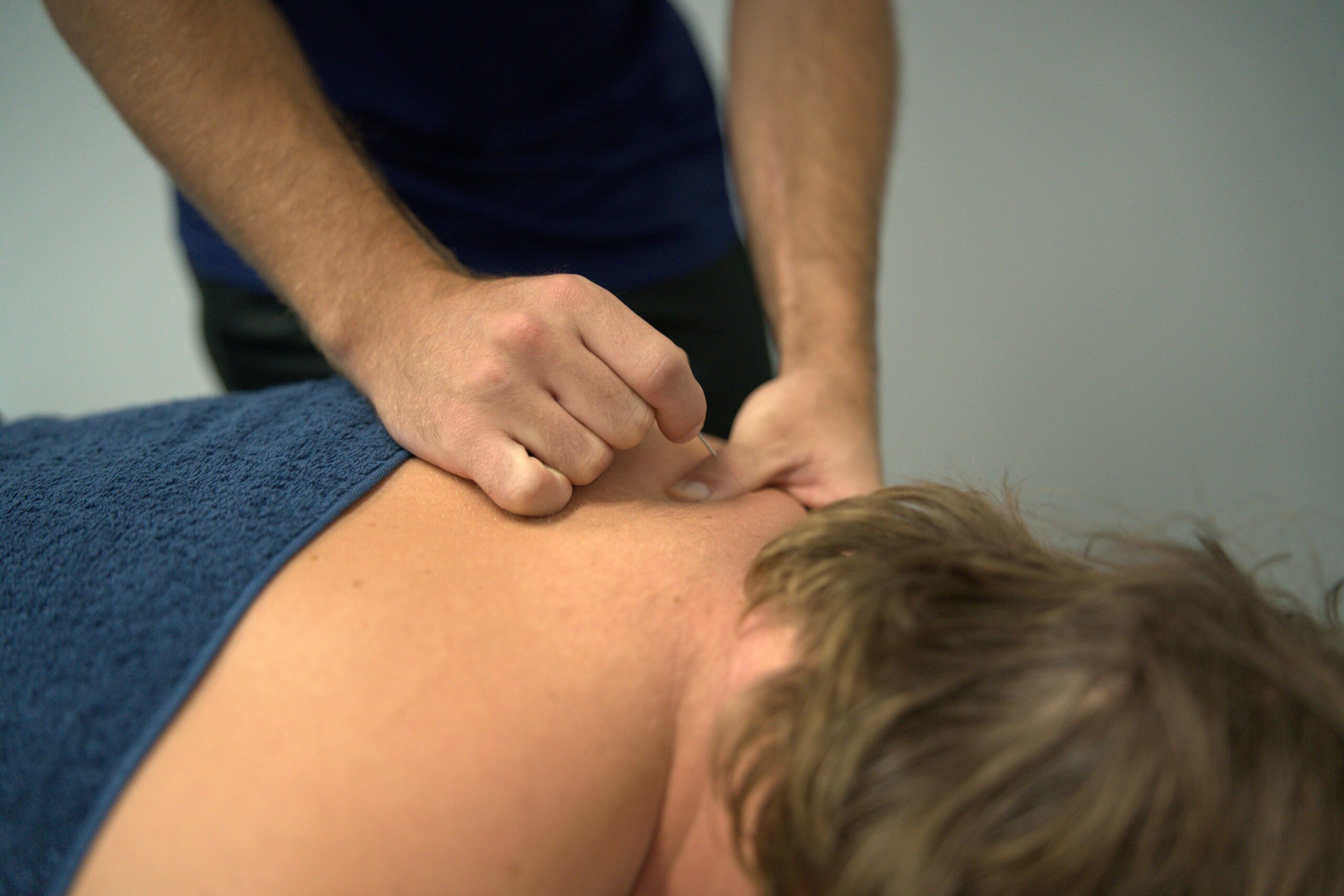
Physiotherapy restores normal movement, reduces muscle tension, and builds strength in the stabilising muscles that support the neck. Treatment may include joint mobilisation, soft tissue release, targeted strengthening, and movement retraining. Some people benefit from techniques such as dry needling, which helps reduce muscle tension and improve comfort in areas that remain tight.
Important Safety Reminder
If you experience symptoms such as double vision, difficulty walking, sudden dizziness, trouble swallowing, facial numbness, or sudden unsteadiness, seek emergency medical care immediately by calling 000.
At All Elite Physiotherapy, our team is dedicated to guiding and supporting you along your recovery journey. We are passionate about tailoring advice best suited to your problems, to regain your mobility, restore function, and improve your overall well-being as quickly and comprehensively as possible.
For many neck injuries, we may also recommend dry needling, a technique involving the insertion of thin, sterile needles into tense muscles to alleviate pain, release muscle tension, and promote healing.
All your enquiries and questions can be directed to our friendly team over the phone (02) 4981 9501 or by email to admin@allelitephysio.com.au.