Lower Back Pain Relief & Treatment
At All Elite Physiotherapy & Performance, our physiotherapists are trained to identify the underlying cause of your pain and create a treatment plan that helps you move confidently again.

Lower back pain can feel sharp, dull, tight, achy, or stiff, depending on the structures involved. Pain may appear suddenly after an awkward movement or build slowly over time due to posture, muscle weakness, or repetitive stress. Understanding what is causing the pain early helps prevent long term problems such as nerve irritation, recurring flare ups, or reduced mobility.
Common Causes
Lower back pain can come from many sources, and often more than one structure is involved. Our physiotherapists look carefully at how your spine, hips, pelvis, and core work together to find the true cause of the problem.
Some of the most common causes include:
- Muscle strains from lifting, bending, twisting, or sudden force
- Joint irritation from stiffness or restricted movement in the spine
- Poor posture that increases pressure on the lower back
- Weak core or glute muscles leading to poor spinal support
- Disc irritation causing pain with bending, sitting, or lifting
- Nerve irritation creating radiating pain, numbness, or tingling
- Overuse injuries from repetitive tasks at work or sport
- Hip or pelvic imbalances placing additional load on the spine
Each cause requires a different approach, so proper diagnosis is essential for effective recovery.
Symptoms and Warning Signs
Lower back pain can range from mild discomfort to severe movement restriction. Recognising early warning signs helps prevent problems from becoming long term or more difficult to treat.
Common symptoms include:
- Pain with bending, lifting, twisting, or sitting
- Stiffness after rest or long periods of inactivity
- Muscle tightness across the lower back or hips
- Pain spreading into the buttock or leg
- Difficulty straightening up after bending
- Weakness in the core or hips
- Pain that worsens after long sitting or standing
If these symptoms continue for more than a few days or interrupt your normal routine, seeking treatment can prevent worsening pain and long term irritation.
When You Should See a Physiotherapist for Lower Back Pain
Many people wait too long to seek help for back pain, hoping that the discomfort will settle on its own. While some mild pain may improve with rest, persistent or recurring pain often needs professional guidance.
You should see a physiotherapist if:
- Pain lasts longer than several days
- Your back feels weak, unstable, or difficult to move
- Pain radiates down the leg or into the buttock
- You struggle to sit, stand, or lift without discomfort
- Pain interferes with work, sleep, or exercise
- You have experienced repeated episodes of back pain
Physiotherapists can identify what is causing your pain and create a plan that supports faster, safer recovery.
How Physiotherapy Treats and Manages Lower Back Pain
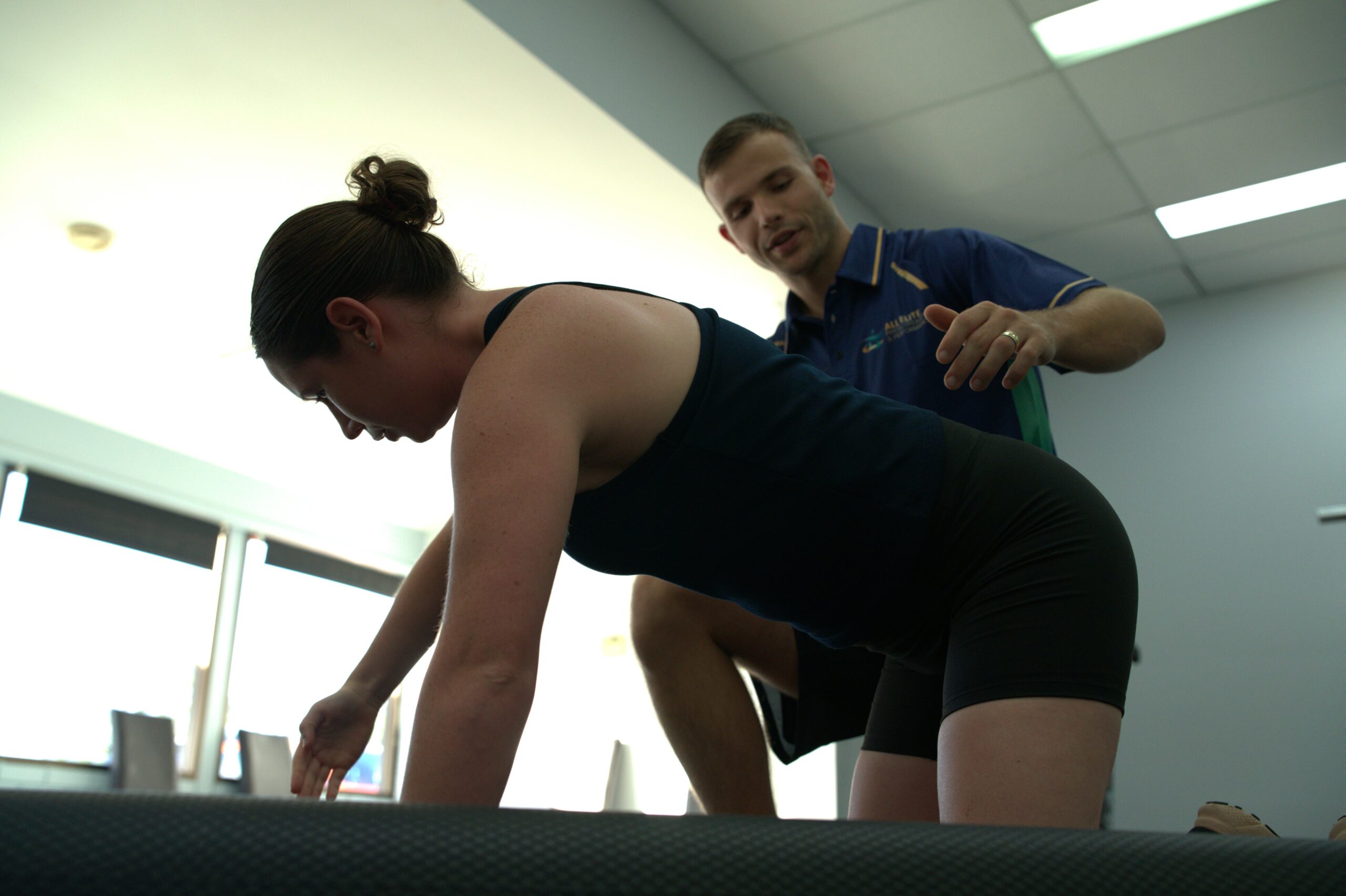
Physiotherapy is one of the most effective treatments for lower back pain because it targets both the immediate symptoms and the underlying issues contributing to the problem. Instead of focusing only on pain relief, physiotherapy helps restore mobility, strengthen support muscles, and improve movement patterns.
During treatment, you can expect:
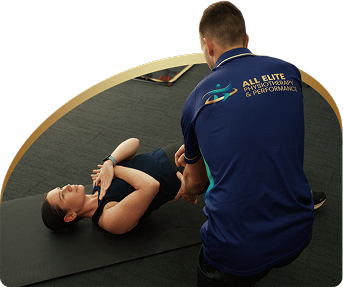
- Manual therapy to reduce stiffness and release tight muscles
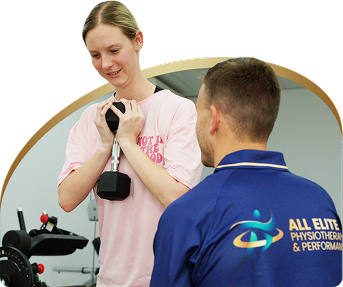
- Core and hip strengthening to improve stability and spinal support
- Mobility exercises to restore smooth, pain free movement
- Posture and movement retraining to reduce strain on the lower back
- Activity modification to protect irritated tissues while you recover
- Education on managing flare ups and preventing future injuries
The goal is simple: ease pain, improve function, and build long term resilience so your lower back can handle everyday and athletic demands.
Our Step-by-Step Process for
LOWER BACK PAIN RECOVERY
At All Elite Physiotherapy & Performance, our structured approach ensures you progress safely and effectively from assessment to long term recovery.
Step 1: Comprehensive Assessment
We begin with a detailed evaluation of your posture, mobility, strength, and the activities that aggravate your pain. This helps identify the exact source of the problem.
Step 2: Pain Relief and Early Recovery
Manual therapy, dry needling, and gentle exercises help reduce irritation, ease muscle tension, and improve movement.
Step 3: Strength and Stability Training
Targeted core, hip, and lower back exercises create a stronger foundation for spinal support. This stage reduces the risk of repeated episodes of pain.
Step 4: Functional Rehabilitation
We reintroduce bending, lifting, twisting, and daily movements safely and with proper technique. If you play sport or have physical work demands, exercises will be tailored to your needs.
Step 5: Ongoing Prevention and Maintenance
Once pain has improved, we provide long term strategies to help maintain strength and prevent future flare ups.
Preventing Future Lower Back Pain With Strength and Control
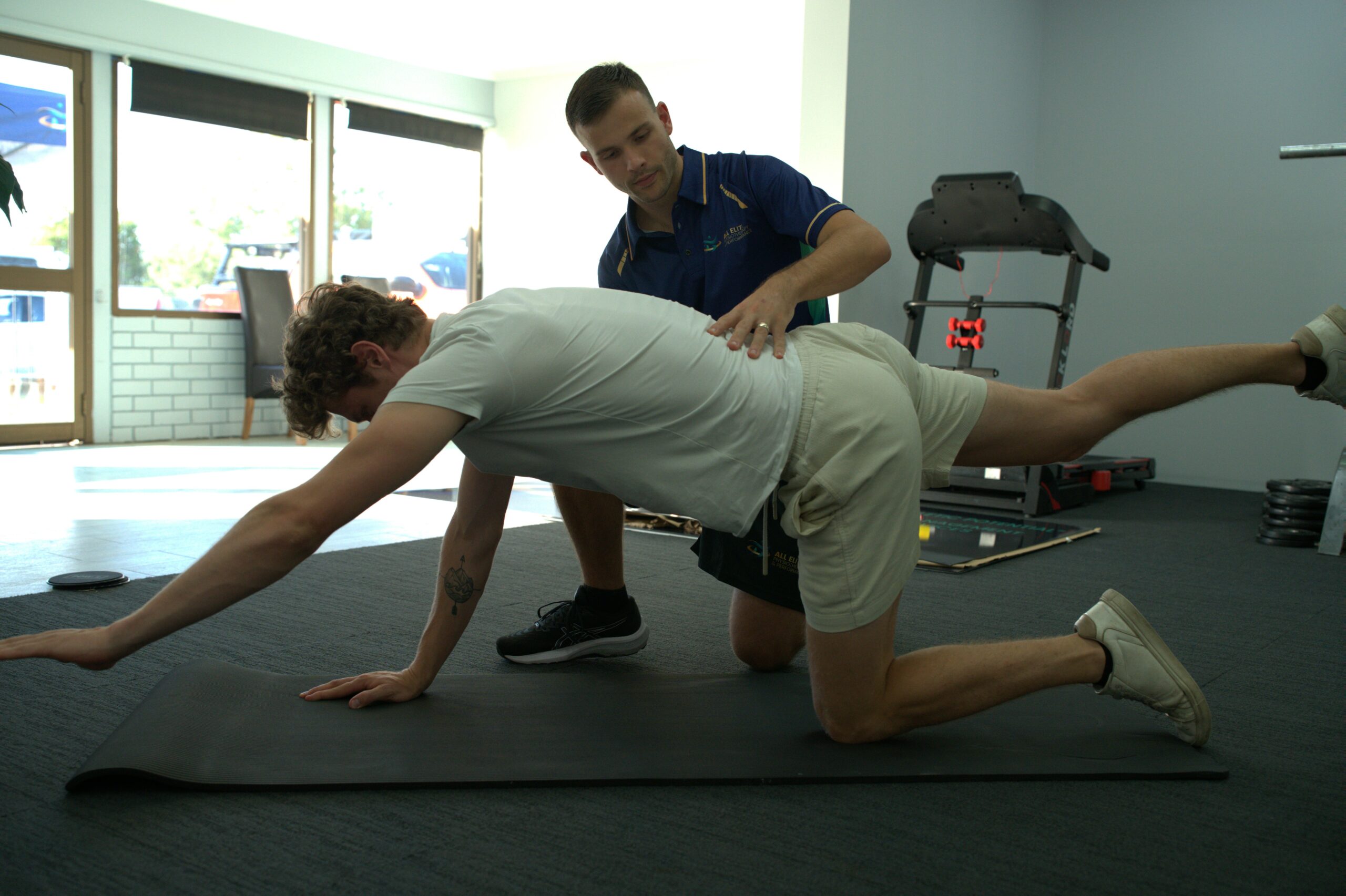
Prevention plays a key role in long term back health. Strengthening and movement habits are essential to reducing the risk of recurring pain.
Simple strategies include:
- Building core and glute strength
- Maintaining proper posture during work and daily activities
- Taking regular movement breaks when sitting for long periods
- Increasing training load gradually
- Using proper lifting and bending technique
- Keeping the hips and spine mobile
With the right guidance, most people can significantly reduce the frequency and severity of lower back pain episodes.
Why Choose All Elite Physio?
Choosing us for your lower back pain treatment is the best decision you'll make to ignite your athletic potential.
We're just down the road from The Raymond Terrace Marketplace on Port Stephens Street.