
9 Early Signs You May Need to See a Physiotherapist
Key Takeaways
- Persistent or recurring pain is one of the strongest indicators that a physiotherapy assessment is needed.
- Difficulty with basic movements or daily activities often signals weakness, stiffness, or mobility restrictions.
- Early treatment prevents compensations and reduces the risk of long-term or recurring injuries.
- Physiotherapists identify underlying causes of pain and guide you toward safe, effective recovery and improved function.
Many people delay seeing a physiotherapist because they assume their pain will disappear on its own. While some mild discomfort is normal after exercise or activity, persistent or unexplained pain often indicates a deeper issue that needs professional assessment. Early intervention prevents small problems from becoming long term injuries, and understanding the warning signs can help you act before symptoms worsen. Recognising early injury signs and symptoms is the first step in getting the right care and protecting your long term movement and health.
Whether you are an athlete returning to training, a desk worker with ongoing stiffness, or someone experiencing discomfort during daily tasks, physiotherapy provides clarity, guidance, and hands-on solutions. Below are the most common signs that you may benefit from seeing a physiotherapist sooner rather than later.
1. When Everyday Pain Becomes Something More
Pain that lingers longer than it should often means something is not functioning the way it should. Soreness after exercise may settle within a few days, but lingering pain that stays the same, worsens, or keeps coming back is a sign that tissues are irritated or overloaded.
Pain that affects your ability to lift, walk, sit comfortably, or sleep should not be ignored. These symptoms may indicate inflammation, joint restriction, muscle imbalance, or nerve sensitivity. Physiotherapists help identify the cause and develop a treatment plan that protects your long term mobility, reducing the risk of more complex issues later.
2. Understanding What Pain Is Normal and What Is Not
Not all pain is equal. Physiotherapists look at how pain behaves. Normal soreness improves with gentle movement and fades within a few days. Concerning pain includes symptoms that:
- Persist longer than one week
- Increase with light activity
- Cause sharp, burning, or radiating sensations
- Interfere with normal daily function
- Return repeatedly during the same movements
Pain that wakes you at night, forces you to change your routine, or limits basic tasks often suggests deeper mechanical changes that need professional evaluation.

3. Persistent or Recurring Pain That Does Not Settle
Recurring pain is one of the clearest signs that you should see a physiotherapist. When discomfort repeatedly returns during specific tasks such as running, lifting, reaching, or sitting, it usually means there is an underlying weakness, mobility restriction, or imbalance.
Ignoring recurring symptoms often leads to compensations that create additional stress on nearby joints and muscles. Over time, this increases the risk of more serious injury. Physiotherapists assess how your body moves, identify the root cause, and guide you through a clear plan that addresses the problem, not just the symptoms.
4. Stiffness or Restricted Mobility That Limits Movement
Stiffness that affects how you bend, turn, reach, or rotate is a strong indicator that you may need physiotherapy. Restrictions often develop due to joint tightness, muscle tightness, poor posture, or lack of movement variety.
Difficulty turning your head, bending forward, twisting through your spine, or lifting your arm overhead are all signs that something is limiting your natural range of motion. Neck-related stiffness may even connect to symptoms similar to those described in neck injury signs, especially when tightness is accompanied by headaches or shoulder tension.
Restoring mobility improves comfort and helps prevent more serious issues like pinched nerves or joint strain.
5. Muscle Weakness, Fatigue, or Instability During Activity
If you feel muscles giving way, shaking under light load, or tiring unusually quickly, this can indicate weakness or poor motor control. Fatigue or instability often shows up as:
- Knees collapsing inward
- Ankles rolling or giving way
- Shoulder fatigue during overhead movements
- Back muscles tiring quickly during sitting or standing
Weakness is not always obvious until you perform specific tasks. Physiotherapists run targeted strength and control tests to identify which muscles are underperforming and why. Strengthening the right areas restores stability and prevents injuries caused by compensations.
6. Numbness, Tingling, or Radiating Pain Into the Limbs
Numbness or tingling in the arms or legs often points to nerve irritation. This may come from tight muscles, joint compression, swelling, or poor posture. Radiating pain, especially down the back of the leg or into the shoulder and arm, can indicate involvement of the nervous system.
A physiotherapist can assess whether the source comes from the spine, joints, muscles, or surrounding tissues. Early evaluation helps prevent nerve irritation from progressing into long-term weakness or loss of function.

7. Swelling, Inflammation, or Visible Changes in a Joint or Muscle
Swelling can signal an acute injury or an inflammatory reaction from overuse. If swelling appears without a clear cause or continues longer than a few days, it can indicate structural irritation.
Common examples include:
- Swollen knees after running
- Puffy ankles after longer walks
- Swelling around the shoulder or elbow during repetitive tasks
Visible changes in muscle shape, joint alignment, or limb function should be assessed promptly. Physiotherapists determine what is triggering the swelling and prescribe strategies to manage it safely.
8. Difficulty Performing Daily Tasks or Exercise Movements
Everyday activities like climbing stairs, bending, carrying groceries, sitting for long periods, or lifting overhead should not be painful. If basic movements start to feel restricted, stiff, or uncomfortable, it often signals a movement pattern or strength issue.
Posture related strain is also a common cause of discomfort during daily tasks, especially for people who sit for long periods or work in repetitive positions. Improving overall posture helps reduce pressure on the spine, shoulders, and hips, making everyday tasks easier and less painful.
9. Nagging or Repeated Sports Injuries That Keep Returning
Recurring sports injuries are one of the clearest signs that physiotherapy is needed. If the same injury repeats every few months, it usually means the underlying cause has not been properly addressed. This may involve:
- Poor load management
- Weak stabiliser muscles
- Reduced mobility
- Compensation patterns
- Technique issues during training
A physiotherapist identifies which movement patterns are creating the issue and helps redesign your training plan to prevent repeat flare ups. They also help improve strength, stability, and overall movement quality so that tissues can tolerate higher levels of activity without breaking down.
When to Book a Physiotherapy Assessment and What to Expect
You should consider booking a physiotherapy appointment if:
- Pain persists longer than expected
- Mobility is restricted
- Symptoms spread or worsen
- Your confidence in movement decreases
- You are unsure if rest alone is helping
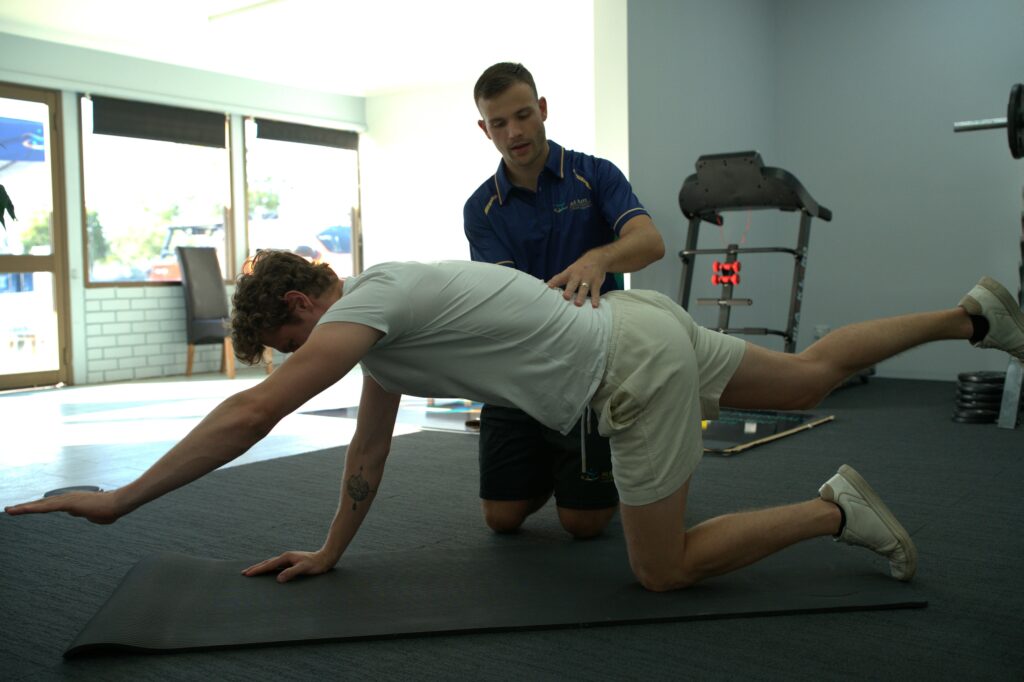
During an assessment, a physiotherapist will look at your posture, joint mobility, strength, nerve function, and movement patterns. They then develop a personalised treatment plan to reduce pain, restore mobility, and improve long-term function.
Early intervention is always more effective than waiting for symptoms to progress. Even minor discomfort is easier to treat early before compensations and secondary injuries develop.
Take the First Step Toward Better Movement
You do not need to wait for severe pain before seeing a physiotherapist. Addressing issues early helps prevent long term problems, supports healthy movement, and restores confidence in daily activities and sport.
If you are noticing ongoing symptoms or difficulty performing everyday tasks, our physiotherapists can guide you toward lasting relief and better movement.