
Returning to Sport After a Long Break: A Physiotherapist’s Guide
Key Takeaways
- Returning to sport after a break requires gradual load progression to protect muscles, joints, and tendons.
- Strength, mobility, and movement control are essential for safe performance and reducing injury risk.
- Warm ups, cool downs, and proper technique help your body handle training demands more efficiently.
- A physiotherapist can identify weaknesses, prevent setbacks, and guide you through a safe, confident return to sport.
Getting back into sport after a long break can feel exciting, but it also comes with challenges that many athletes underestimate. Whether you stepped away due to injury, work, lifestyle changes, or simply lost motivation, your body needs time to adapt again. Returning too quickly increases the risk of muscle strains, joint pain, and overuse problems. Structured preparation helps you avoid setbacks, and support such as sports injury management can make the transition back to training smoother and safer.
A long period away from sport affects everything from strength and mobility to coordination and confidence. Even if you feel mentally ready, the body may not respond the way you expect. This guide explains what happens during a break, how to rebuild safely, and the steps physiotherapists recommend to help you return feeling strong, prepared, and protected.
Understanding Deconditioning and What Happens to Your Body During a Break
When you stop training for a while, your body gradually becomes less conditioned. Muscles lose strength, cardiovascular fitness declines, and joints become stiffer. Your nervous system also becomes less efficient at coordinating movement patterns that once felt automatic.
Common effects include:
- Reduced muscle power and endurance
- Stiffness around the hips, spine, and shoulders
- Slower reaction times
- Less stability around joints
- Increased fatigue during basic activity
This change does not mean you are unfit. It simply means your tissues no longer tolerate the same level of load. Many athletes mistake this for ageing or weakness, but in reality it is a reversible part of stepping away from regular training. Understanding how load and capacity influence your readiness helps you avoid pushing past what your body can handle.
How to Assess Your Readiness Before You Return
Before jumping straight into full training sessions, it helps to assess your body honestly. A few simple checks give you a good idea of where to start.
Ask yourself:
- Do I feel stiff or restricted in certain movements
- Do I struggle with basic control when squatting, lunging, or jogging
- Does my balance feel different than before
- Do I get tired more quickly
- Do I have old niggles that may flare up
If anything feels off, a physiotherapist can run a more thorough assessment to check your mobility, stability, movement patterns, and sport specific demands. Identifying gaps early prevents them from turning into injuries later.
Start Slow: Why Gradual Load Progression Prevents Injury
One of the biggest mistakes athletes make is trying to return at the same intensity they left off. Tendons, muscles, and joints adapt through gradual load exposure. When the load increases too quickly, tissues cannot recover, and breakdown occurs.
A safe return-to-sport plan generally includes:
- Lower volume in the first two to three weeks
- Shorter sessions with controlled intensities
- Regular rest days
- Monitoring soreness, fatigue, and swelling
- Slowly increasing speed, power, and agility work
This approach is not about doing less. It is about preparing your body so you can eventually train harder with fewer setbacks.
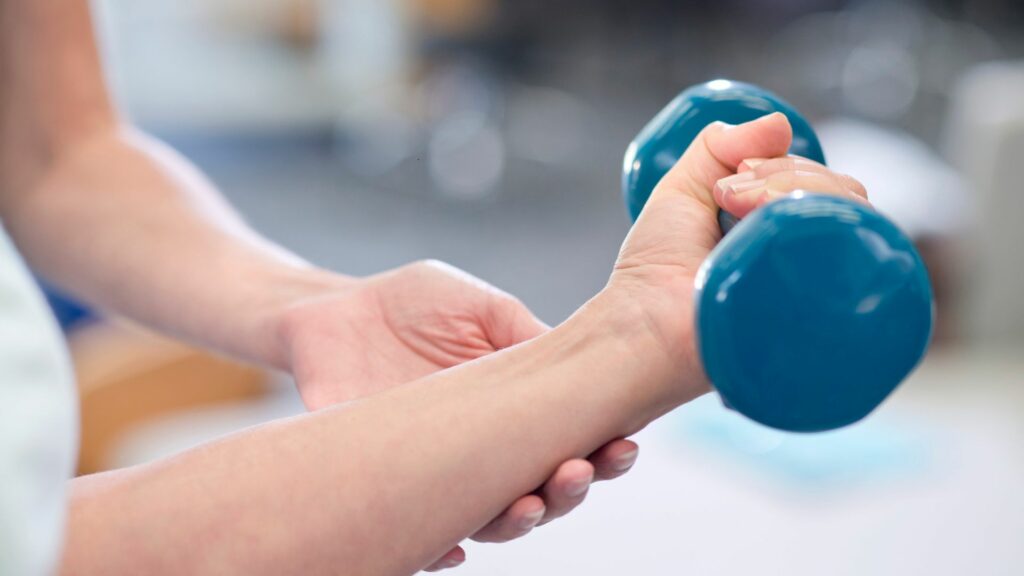
Essential Strength Areas to Rebuild First
Strength work is one of the most important parts of returning to sport safely. When you have been away from activity for a while, your muscles, tendons, and joints lose some of the capacity that once made movement feel smooth and effortless. Rebuilding strength helps restore tissue tolerance, improves movement control, and significantly lowers the likelihood of injury as you increase your training load.
A well-rounded strength foundation prepares your body for the demands of running, jumping, twisting, sprinting, or contact work. It also improves joint alignment, efficiency, and overall athletic performance. Below are the key areas a physiotherapist prioritises when helping someone return to sport.
Core Strength
Your core is the centre of stability for everything you do in sport. A strong core supports balance, improves transfer of force, and reduces unnecessary stress on the lower back and hips. When your core is under-conditioned, other muscles compensate, often leading to poor technique or early fatigue. Building strength through controlled rotational work, anti-rotation movements, planks, and hip control exercises improves your ability to move powerfully and safely.
Hips and Glutes
The hips and glutes are the powerhouse of nearly every sport. They generate force for sprinting, jumping, change of direction, and acceleration. Strong glutes also stabilise the pelvis, which protects the knees and lower back from excessive strain. When hip strength is lacking, athletes often experience knee pain, tight hamstrings, or reduced agility. Strengthening the glutes and surrounding muscles improves stride efficiency, reduces injury risk, and supports more explosive movement.
Shoulders and Upper Back
Upper body strength is essential, especially for sports that involve overhead actions, ball handling, tackling, or upper body endurance. Strong shoulders and a well-balanced upper back help maintain proper posture, support throwing mechanics, and reduce strain on the neck and spine. When the upper back becomes deconditioned, the shoulders roll forward, narrowing the space in the shoulder joint and increasing the risk of irritation or impingement. Strengthening the scapular muscles restores stability, protects the shoulders, and improves overall athletic function.
Calves and Ankles
Your calves and ankles absorb impact every time you run, jump, or change direction. They also play a major role in acceleration, deceleration, and balance. After a long break, these muscles tend to fatigue quickly, increasing the risk of strains or Achilles discomfort. Strengthening the calves helps improve power and endurance, while ankle stability work reduces the chance of sprains and improves control during fast movement.
Many of these movements resemble practical rehabilitation exercises that support coordination, strength, and stability during training. They help retrain your body to move efficiently and prepare your joints and tissues for the demands of returning to sport.
The Importance of Mobility and Movement Quality
Mobility often decreases during a long break. Tight hips, stiff thoracic spine, or restricted ankles affect your technique and increase injury risk. Good movement quality ensures you can load your body evenly and efficiently.
Areas to address include:
- Thoracic rotation
- Hip extension
- Ankle dorsiflexion
- Shoulder mobility
Working on small movement deficiencies early helps you return with better form and more confidence. Improving how you move also supports long-term joint health, especially in high-impact or multidirectional sports.
Warm Up and Cool Down Routines That Prepare Your Body
A proper warm up is essential when returning after time off. It prepares your muscles, increases blood flow, and helps re-establish efficient movement patterns. Your warm up should include:
- Light aerobic activity
- Dynamic stretching
- Activation drills
- Sport specific movements
- Low intensity agility or speed prep
A well designed cool down also assists recovery through controlled breathing, light mobility work, and stretching. Many athletes underestimate the role of these routines, but they play a key part in preventing avoidable strains and fatigue.

Common Mistakes When Returning to Sport Too Quickly
It is easy to get caught up in the excitement of starting again, but rushing usually leads to problems. Some of the most common mistakes include:
- Jumping straight into high intensity work
- Reusing an old training program that no longer matches your current capacity
- Skipping warm ups or recovery sessions
- Training through pain
- Increasing volume too rapidly
- Comparing yourself to your old performance
Small issues become big problems when ignored. Improving everyday posture also plays a role in reducing unnecessary stress on the spine and joints during sport.
When to See a Physiotherapist
A physiotherapist can guide you through a safe return while helping you avoid injury. You should book an assessment if you experience:
- Pain that lasts longer than a few days
- Sharp or catching sensations in joints
- Loss of confidence with running or jumping
- Fatigue that feels unusual
- Recurring niggles that return every time you train
Physiotherapists identify weaknesses, mobility restrictions, or control issues that limit performance. From there, they design a program tailored to your sport, fitness level, and goals.
Get Back to Sport Safely and Confidently
Returning to sport after a break is not just about getting fit again. It is about rebuilding strength, restoring movement, and protecting yourself from preventable injuries. A structured, physiotherapist guided plan helps you return with confidence and enjoy your sport without setbacks. Support such as sports injury management ensures every stage of your comeback is safe, progressive, and personalised.