
The Top Signs and Symptoms You’ve Suffered a Sports Injury
Key Takeaways
- Sports injury symptoms can include sharp pain, swelling, bruising, weakness, instability or reduced movement that does not settle with rest.
- Normal muscle soreness usually improves gradually while injury pain is often localised and repeatedly triggered by the same activity.
- Red flags such as severe pain, deformity, numbness or inability to bear weight should be assessed urgently.
- Physiotherapy supports safe recovery by identifying the injury, guiding rehabilitation and building a clear return to sport plan.
A sports injury is damage or physical dysfunction that occurs during exercise, training or competition. It may affect a muscle, tendon, ligament, joint, bone or nerve.
Acute injuries usually have an identifiable moment. You may twist an ankle, land awkwardly, collide with another player or feel a sudden pull while sprinting. Pain and loss of function may appear immediately, although swelling and bruising can develop later.
Overuse injuries often build across days or weeks because of repeated loading, limited recovery or a rapid increase in training. Achilles tendinopathy, patellar tendon pain, shin pain and stress injuries may begin as mild discomfort before affecting performance. Understanding common sports injury causes can help you connect symptoms with a specific incident or recent workload change.
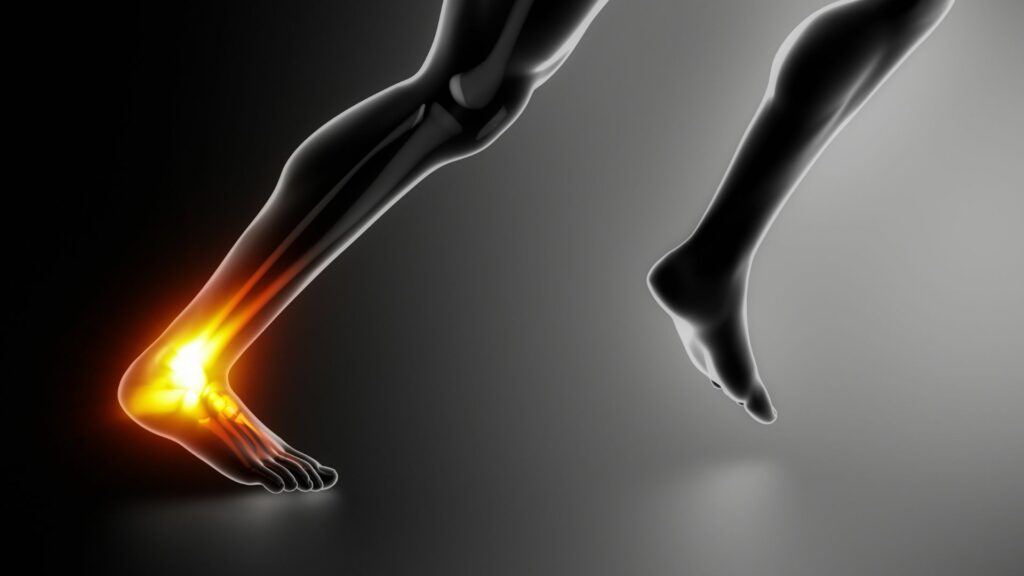
Normal Muscle Soreness or a Sports Injury?
Delayed onset muscle soreness, often called DOMS, commonly follows unfamiliar or demanding exercise. It usually feels generalised through the muscles that were trained and gradually improves as the body recovers.
Possible injury pain is more likely to be sharp, localised or repeatedly triggered by the same movement. It may worsen during activity, remain present at rest, change the way you run or lift, or return whenever you resume training.
No single symptom confirms a diagnosis. Pain behaviour, swelling, strength, movement, injury mechanism and training history all provide useful context. Sprains and strains can both cause pain, swelling, bruising and difficulty using the injured area.
Eight Common Sports Injury Symptoms
1. Pain That Persists or Worsens
Pain is often the first sign that something is wrong, but its pattern matters.
Pain may need assessment when it becomes sharper, increases across several sessions, occurs at rest or returns every time training resumes. Discomfort that affects sleep, work or ordinary movement should also be taken seriously.
2. Significant or Increasing Swelling
Swelling can follow a sprain, strain, joint injury or fracture. It may occur soon after an incident or become more noticeable over several hours.
A small amount of swelling does not automatically indicate a severe injury. However, rapid swelling, swelling that restricts movement or swelling that continues to increase may suggest more substantial tissue damage. Pain, swelling, bruising and reduced mobility are common symptoms of limb injuries.
3. Bruising or Discolouration
Bruising develops when bleeding occurs in or beneath the skin. It may follow a direct impact, muscle injury, ligament sprain, fracture or dislocation.
Bruising may appear later or spread away from the injury site. Extensive bruising with severe pain, weakness or loss of function deserves assessment.
4. Reduced Range of Motion
An injury may make it difficult to bend, straighten or rotate a joint normally. You might struggle to fully straighten your knee, raise an arm overhead, move an ankle comfortably or turn your neck.
Restricted movement can result from pain, swelling or the body protecting an injured area. It becomes more important when it changes your technique or limits daily activity. Neck injuries can also involve stiffness, headaches or radiating discomfort. Review common neck injury signs and related neck pain symptoms when neck movement remains limited.
5. Loss of Strength or Power
Weakness may appear as difficulty pushing, gripping, jumping, accelerating or controlling a movement that normally feels comfortable.
It can result from pain, swelling, muscle or tendon damage, nerve irritation or protective muscle inhibition. A sudden or substantial loss of strength should be assessed, particularly when it follows a clear injury event.
6. Joint Instability or Giving Way
Instability feels different from routine soreness. A knee may buckle, an ankle may repeatedly roll or a shoulder may feel loose during reaching or throwing.
A joint that gives way can reduce confidence and increase the risk of another incident. It may relate to ligament damage, reduced strength or incomplete rehabilitation.
7. Numbness, Tingling or Altered Sensation
Pins and needles, burning, numbness or reduced sensation may indicate irritation or injury involving a nerve. These symptoms are not typical post-training soreness.
Cold or pale skin around an injured limb may indicate possible blood-vessel involvement. Healthdirect advises assessment when an injury includes numbness, unusual temperature changes or signs of reduced circulation.
8. Inability to Bear Weight or Use the Area
There is a difference between mild discomfort and being unable to use an injured body part normally. Difficulty walking, standing, gripping, lifting or moving the area can occur with severe sprains, fractures, dislocations and other significant injuries.
Do not repeatedly test a painful limb or attempt to force a deformed joint back into position. Seek appropriate medical care when function is substantially reduced.
When Gradual Symptoms May Indicate an Overuse Injury
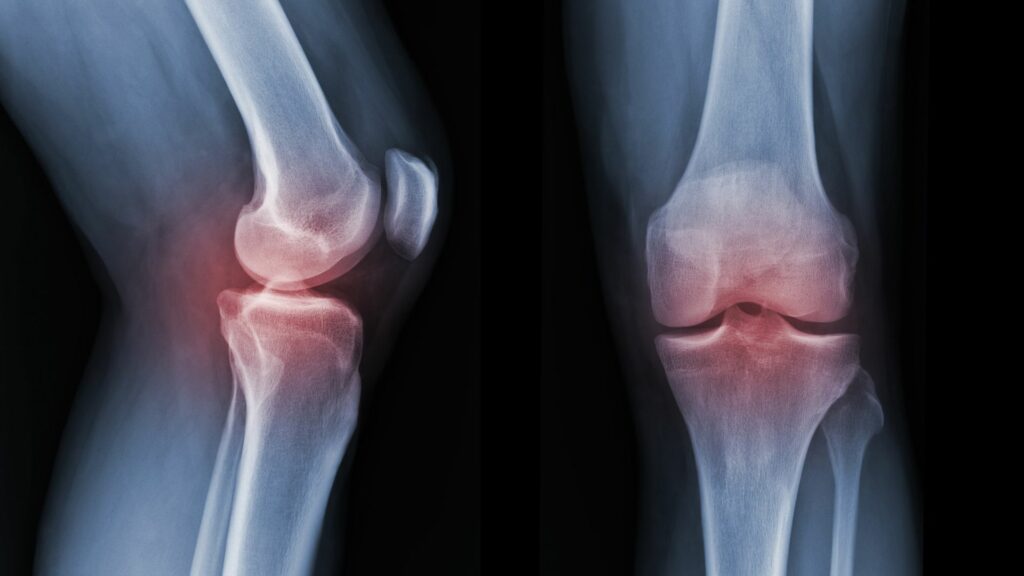
Not every sports injury has a clear starting moment. Overuse symptoms may initially settle after warming up, making them easy to dismiss.
An athlete might first notice pain late in a run or stiffness the next morning. As the issue progresses, symptoms may begin earlier and last longer.
Recurring pain is particularly relevant after changes in distance, speed, weekly frequency, playing surface or gym volume. The best response is not always complete rest. You may need to reduce a specific aggravating load while maintaining suitable activity elsewhere.
Sports Injury Red Flags That Need Urgent Care
Some sports injury symptoms require urgent medical care rather than a routine physiotherapy appointment. Seek urgent help when appropriate for:
- An obviously bent, twisted or deformed limb
- Bone visible through the skin
- Severe or rapidly worsening pain
- A limb that becomes pale, cold or numb
- Difficulty breathing, cold or sweaty skin, or signs of shock
- A suspected serious head, neck or spinal injury
- Prolonged loss of consciousness after a collision
Australian health guidance recommends emergency assessment for serious deformity, exposed bone, severe pain and signs of circulation or systemic compromise.
Can You Keep Training With an Injury?
Whether you can continue training depends on the suspected injury and symptom severity. Complete rest is not always necessary, but pushing through sharp pain or instability can increase risk.
Training may sometimes be modified by reducing running distance, lowering lifting volume or removing painful drills. Stop when pain becomes sharp, technique changes significantly, the joint gives way, swelling increases quickly or you cannot use the area normally.
A physiotherapist can help identify what can continue safely and what should be temporarily reduced.
How a Sports Injury Is Assessed
Assessment usually begins with a clinical history and physical examination rather than automatic imaging. Your physiotherapist may ask how the injury occurred, when symptoms started, what movements aggravate them, whether training recently changed and whether the area has been injured before.
Movement, strength, swelling, joint stability and sport-specific tasks may then be assessed. X-rays, ultrasound, CT or MRI can be recommended when findings suggest a fracture, dislocation or particular soft-tissue injury, but imaging is not required for every case.
Persistent pain, reduced mobility or recurring instability are good reasons to see a physiotherapist. Physiotherapists are registered health practitioners who assess injuries, improve movement and guide rehabilitation.
How Sports Physiotherapy Supports Recovery
Effective rehabilitation should progress beyond short-term pain relief. Early stages may focus on managing symptoms, protecting the area and restoring comfortable movement. The program can then build strength, stability, balance and conditioning before introducing faster or more sport-specific tasks.
A runner may require gradual exposure to distance and pace. A netball or football player may need jumping, landing and direction-change work. An overhead athlete may need shoulder endurance and controlled loading.
Return-to-sport decisions should reflect the demands of the activity rather than time alone. All Elite Physiotherapy & Performance structures rehabilitation around individual assessment, progressive strengthening and sport-specific preparation.
Recognise the Signs and Return With Confidence
Not every ache after training is an injury. Generalised soreness that gradually settles can be a normal response to exercise. Persistent localised pain, increasing swelling, bruising, weakness, instability, altered sensation or loss of normal function deserve more attention.
Serious warning signs require urgent medical care, while ongoing or recurring problems may benefit from physiotherapy assessment and a structured return-to-sport plan.
At All Elite Physiotherapy & Performance, personalised sporting injury management helps athletes across Raymond Terrace, Newcastle and the Hunter Region understand what is limiting them, rebuild strength and movement, and return to training with greater confidence.