Neck Pain Treatment for Lasting Relief & Mobility
At All Elite Physiotherapy & Performance, we assess the true cause of your neck pain and create a personalised treatment plan to help you move freely and confidently again.

Neck pain may feel sharp with movement, dull and aching at rest, or tight and stiff after long periods in one position. It can develop suddenly after an awkward movement or gradually from prolonged desk work, phone use, or repetitive strain.
Early assessment helps prevent ongoing stiffness, tension headaches, or radiating nerve symptoms.
Common Causes
Neck pain rarely comes from a single structure. Often, muscle tension, joint stiffness, and posture habits combine to create discomfort. Our physiotherapists assess how your neck, shoulders, and upper back work together to identify contributing factors.
Common causes include:
- Muscle strain from prolonged sitting or screen use
- Poor workstation setup or sustained forward head posture
- Joint stiffness in the cervical or upper thoracic spine
- Whiplash or sudden acceleration injuries
- Stress related muscle tension
- Disc irritation causing pain with movement
- Nerve irritation leading to arm pain, tingling, or numbness
- Shoulder weakness placing extra strain on the neck
Each presentation requires targeted treatment to address the specific drivers of pain.
Symptoms and Warning Signs
Neck discomfort can range from mild tightness to severe restriction. Recognising symptoms early can prevent persistent problems or nerve related complications.
Common symptoms include:
- Pain when turning or tilting the head
- Stiffness after sleep or long periods at a desk
- Headaches that begin at the base of the skull
- Pain spreading into the shoulder or upper back
- Tingling, numbness, or weakness in the arm or hand
- Muscle tightness across the neck and shoulders
- Difficulty maintaining posture for extended periods
If symptoms continue beyond a few days or begin affecting work, driving, or sleep, professional assessment is recommended.
When to See a Physiotherapist for Neck Pain
While mild neck stiffness may settle with rest, persistent or worsening pain often requires guided treatment. Early physiotherapy reduces the risk of chronic tension, mobility restriction, or nerve involvement.
You should consider physiotherapy if:
- Pain lasts longer than several days
- You experience recurring episodes of neck tension
- Headaches are linked to neck stiffness
- Pain radiates into the arm
- Movement feels limited or guarded
- Symptoms interfere with sleep, work, or sport
Our physiotherapists identify the root cause and create a clear pathway toward recovery.


How Physiotherapy Helps Relieve Neck Pain
Physiotherapy addresses both the symptoms and underlying causes of neck pain. Treatment focuses on restoring movement, reducing muscle tension, and improving strength and posture control.
Your treatment plan may include:
- Hands on therapy to improve joint mobility and reduce stiffness
- Targeted exercises to strengthen deep neck and shoulder stabilisers
- Postural retraining to reduce strain during work and daily tasks
- Mobility exercises for the neck and upper back
- Load management strategies to reduce irritation
- Education on sleeping position and workstation setup
The aim is to reduce discomfort, improve control, and build resilience so your neck can tolerate daily demands without recurring flare ups.
Our Step-by-Step Process for
NECK PAIN RECOVERY
At All Elite Physiotherapy & Performance, we use a structured and progressive approach to restore comfort and mobility.
Step 1: Comprehensive Assessment
We assess posture, mobility, muscle strength, and movement patterns to determine the exact cause of your symptoms.
Step 2: Pain Relief and Early Recovery
Manual therapy, dry needling, and gentle exercises help reduce irritation, ease muscle tension, and improve movement.
Step 3: Strength and Postural Control
Targeted strengthening improves stability through the neck, shoulders, and upper back.
Step 4: Functional Rehabilitation
We retrain work tasks, sport movements, and daily activities to reduce strain.
Step 5: Ongoing Prevention and Maintenance
You receive a structured plan to maintain improvements and prevent recurring tension.

Preventing Future Neck Pain
Long term neck health relies on strength, posture awareness, and consistent movement. Many episodes of neck pain are preventable with small adjustments to daily habits.
Preventative strategies include:
- Strengthening the deep neck and shoulder muscles
- Setting up an ergonomic workstation
- Taking regular breaks from screen time
- Maintaining upper back mobility
- Managing stress related muscle tension
- Improving sleep positioning
With the right guidance, most people can significantly reduce the frequency and severity of neck pain episodes.


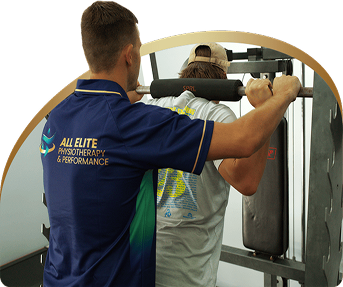
Why Choose All Elite Physio?
Choosing us for your neck pain treatment is the best decision you'll make to ignite your athletic potential.
We're just behind Service NSW, across the road from Raymond Terrace Bowling Club.