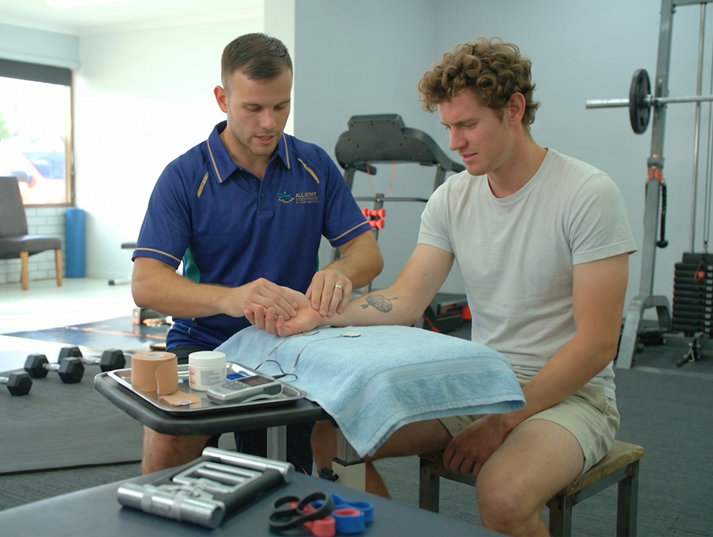
WRIST AND HAND PAIN RELIEF & TREATMENT

Wrist and hand pain can affect your ability to work, train, grip, and complete everyday tasks comfortably. Repetitive movements, sudden injuries, nerve irritation, or joint stiffness can make simple activities like typing, lifting, cooking, or using your hands painful and frustrating. Whether your symptoms came on suddenly or have built up over time, targeted physiotherapy can help restore strength, mobility, and control.

At All Elite Physiotherapy & Performance, we assess the cause of your wrist or hand pain and create a personalised treatment plan to help you move and function with confidence.

woman having wrist pain
WHAT CAUSES WRIST AND HAND PAIN TO DEVELOP?
The wrist and hand play an essential role in gripping, lifting, writing, typing, and performing precise everyday movements. These areas rely on coordinated movement between the joints, tendons, muscles, and nerves. When they are overloaded through repetitive activity, injury, poor mechanics, or prolonged positioning, irritation can build and lead to pain, stiffness, or weakness.

Wrist and hand pain can present as sharp pain, dull aching, tingling, numbness, reduced grip strength, or difficulty moving comfortably. It may affect work tasks, exercise, hobbies, or simple daily activities. Early assessment helps identify the source of the problem and reduce the risk of ongoing discomfort, weakness, or nerve related symptoms.

Common Causes

Wrist and hand pain can develop from repeated use, sudden injury, or irritation in the joints, tendons, muscles, or nerves. Our physiotherapists look at how your wrist, hand, fingers, elbow, and forearm work together to identify the true cause.

Some of the most common causes include:

  • Overuse injuries from repetitive gripping, lifting, or computer work
  • Tendon overload affecting movement through the wrist, thumb, or fingers
  • Nerve irritation creating numbness, tingling, or hand weakness
  • Ligament sprains from falls, twisting, or direct trauma
  • Joint irritation causing stiffness, swelling, or reduced mobility
  • Poor wrist positioning during work, training, or daily activities
  • Muscle weakness placing extra strain on the wrist and hand

Each presentation requires targeted treatment, as wrist and hand pain can involve several structures working together.

Symptoms and Warning Signs

Wrist and hand pain can range from mild discomfort to significant loss of strength and movement. Recognising symptoms early can help prevent ongoing irritation and reduced hand function. Common symptoms include:

  • Pain when gripping, carrying, pushing, or pulling
  • Difficulty typing, writing, or using tools comfortably
  • Numbness, tingling, or burning into the fingers
  • Stiffness or reduced movement in the wrist or hand
  • Swelling, tenderness, or aching after activity
  • Weakness when holding objects or opening jars

If symptoms continue, worsen, or begin affecting sleep, work, exercise, or everyday tasks, a physiotherapy assessment is recommended.

When to Get Physiotherapy for Wrist and Hand Pain
Wrist and hand pain can become frustrating when it starts affecting simple tasks like gripping, carrying, typing, or using tools. If symptoms continue or keep returning, professional treatment may be needed.

You should book a physiotherapy appointment if:

  • Pain continues for more than a few days
  • Your wrist or hand feels weak, stiff, or unstable
  • Repetitive movements make symptoms worse
  • You notice swelling, tenderness, or reduced movement
  • Numbness or tingling spreads into the fingers
  • Daily activities, work, or training become difficult

At All Elite Physiotherapy & Performance, our physiotherapists identify the source of your pain and build a clear treatment plan to restore strength, mobility, and confident function.


Our Step-by-Step Process for

WRIST AND HAND PAIN RECOVERY

At All Elite Physiotherapy & Performance, we follow a structured treatment pathway to reduce pain, restore movement, and rebuild confidence in your wrist and hand function.

Step 1: Comprehensive Assessment

We begin with a detailed assessment of your wrist, hand, fingers, grip strength, mobility, and movement patterns. This helps identify tendon, joint, muscle, or nerve factors contributing to your pain.

Step 2: Pain Relief and Early Recovery

Once the source of pain is identified, we use hands on therapy, gentle exercises, and activity modification to reduce discomfort, ease stiffness, and restore early movement.

Step 3: Strength and Stability Training

As symptoms improve, we introduce targeted exercises to strengthen the wrist, hand, fingers, and forearm. This helps rebuild control, grip strength, and everyday function.

Step 4: Functional Rehabilitation

This stage focuses on restoring real-life tasks such as typing, lifting, gripping, writing, tool use, and sport-specific movements so your wrist and hand can function confidently.

Step 5: Ongoing Prevention and Maintenance

Once recovery is complete, we provide strategies to maintain strength, improve ergonomics, prevent flare-ups, and keep your wrist and hand performing at their best.
Preventing Wrist and Hand Injuries With Better Mobility and Load Management

Preventing wrist and hand pain starts with understanding what places stress on the joints, tendons, muscles, and nerves. With the right strength, mobility, and activity habits, many flare-ups and overuse injuries can be reduced.

Simple strategies include:

  • Building grip strength and forearm endurance
  • Maintaining wrist, thumb, and finger mobility
  • Improving technique during lifting, training, or manual tasks
  • Managing repetitive workloads and recovery time
  • Using ergonomic support for desk work or tool use

A tailored prevention program helps reduce strain, improve confidence, and keep your wrist and hand functioning well for daily life, work, and sport.

GET BACK TO USING YOUR HANDS PAIN-FREE
PERSONALISED WRIST AND HAND PHYSIO
Wrist and hand pain can affect work, sport, training, and everyday activities. 

At All Elite Physiotherapy & Performance, our tailored physiotherapy treatments focus on reducing pain, improving grip strength, restoring movement, and addressing the root cause so you can return to daily life with confidence.
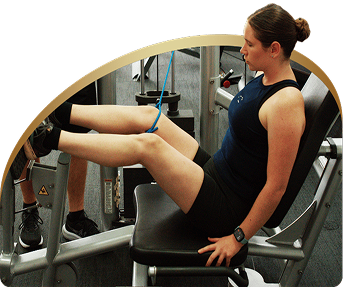
Why Choose All Elite Physio?


Choosing us for your wrist & hand pain treatment is the best decision you'll make to ignite your athletic potential.

We're just down the road from The Raymond Terrace Marketplace on Port Stephens Street.
Find Out more
Finally after years of searching I have found a physio that actually listens and makes a difference. James sat down heard my whole story and got to the bottom of the issue. I would recommend him to anyone
Laura Scully
James is an incredible physio who has helped me with various sporting injuries and getting me back on the field. Would highly reccommed him for any treatment, his knowledge and explanations made me feel comfortable we were always heading in the right direction
Jason liu
I have had shoulder and upper back issues for a while now. James is the best physiotherapist I have been to in a long time. He is very knowledgeable and professional. Can't thank him enough!
Laura Garufi
James is by far the best physiotherapist I have ever been to! I have complete trust in him. He is great at explaining everything clearly, relieving my pain and providing a clear plan for my rehabilitation. I would recommend him to anyone and everyone!
Stephen Batger
I have had very bad shoulder issues, that nobody could fix, but James had it feeling much better after 1 visit, and has put a plan in place to keep it good.
David Newall
Highly recommend James. Very professional and has helped me a great deal!
Rowan Garufi
Would recommend these guys. Very professional, efficient and knowledgeable.
Natalie Maire
wrist and hand pain treatment
All Elite are Trusted by Many Local and Regional Sporting Teams

FAQs

Why does my wrist hurt when typing or using a mouse?

Wrist pain during typing or mouse use is often linked to repetitive strain, poor wrist positioning, muscle fatigue, tendon irritation, or nerve sensitivity. Holding the wrist in one position for long periods can overload the tissues and reduce comfort over time. Physiotherapy can help improve wrist mobility, strengthen supporting muscles, and provide ergonomic advice to reduce repeated strain.

What does tingling or numbness in the hand mean?

Tingling or numbness in the hand may suggest nerve irritation or compression, especially if it affects the fingers or worsens with certain positions. Conditions such as carpal tunnel symptoms can create pins and needles, weakness, or reduced hand control. A physiotherapist can assess your symptoms and guide treatment to reduce nerve irritation and improve function.

How long does wrist and hand pain take to improve?

Recovery time depends on the cause, severity, and how long the symptoms have been present. Mild irritation or strain may improve within a few weeks, while tendon, ligament, joint, or nerve-related issues may require a longer rehabilitation plan. Consistent physiotherapy, activity modification, and strengthening exercises can help speed up recovery and reduce the risk of recurrence.

Should I keep using my wrist and hand if it hurts?

In many cases, complete rest is not necessary, but continuing to overload the area can make symptoms worse. The key is to modify painful activities while keeping the wrist and hand moving within a comfortable range. A physiotherapist can guide you on what movements to avoid, what exercises to start, and how to gradually return to normal activity.

What exercises help wrist and hand pain?

Helpful exercises often focus on improving wrist mobility, grip strength, finger control, forearm strength, and flexibility. Depending on your condition, this may include gentle range-of-motion exercises, tendon glides, grip work, resistance band exercises, or nerve mobility drills. The best exercises depend on the cause of your pain, so a personalised plan is the safest approach.
phone