
GET BACK TO MOVING WITHOUT SCIATIC PAIN
At All Elite Physiotherapy & Performance, we help people across Raymond Terrace and Newcastle manage and recover from sciatica.

Sciatica is a symptom rather than a diagnosis. It usually affects one side and can feel sharp, burning, aching, or like pins and needles. Pain may be worse with sitting, bending, coughing, or sneezing, and can range from mild to severe.
The good news is that most sciatica improves with the right guidance. Finding out what is irritating the nerve is the key to treating it properly and stopping it coming back.
Common Causes
Sciatica can have several causes, and more than one may be involved. Our physiotherapists assess how your lower back, hips, and legs move and load, to find what is driving your symptoms.
Some of the most common causes include:
- Disc irritation or bulge in the lower back that affects a nearby nerve root
- Lower back joint stiffness or irritation that sensitises the nerve
- Narrowing of the spinal canal or nerve passages (spinal stenosis), more common with age
- Deep buttock muscle tension that irritates the nerve as it passes through the hip
- Prolonged sitting or poor posture that increases pressure on the lower back
- Heavy lifting or sudden twisting that overloads the spine
- Weak core or hip muscles that reduce spinal support
- Previous back injuries that leave the area more sensitive
Each cause needs a different approach, so a thorough assessment is essential.
Symptoms and Warning Signs
Sciatica symptoms can vary from person to person. Common symptoms include:
- Pain that travels from the lower back or buttock down the back of the leg
- Sharp, burning, or electric-like pain on one side
- Tingling, pins and needles, or numbness in the leg or foot
- Leg weakness or difficulty lifting the foot
- Pain that is worse with sitting, bending, coughing, or sneezing
- Pain that eases with walking or changing position
- Stiffness in the lower back or hip
If your symptoms last more than a few days, keep returning, or are affecting your sleep or work, it is worth getting assessed.
Seek urgent medical care if you have loss of bladder or bowel control, numbness around the groin or inner thighs (the “saddle” area), rapidly worsening leg weakness, or severe pain after a significant fall or accident. These can be signs of a serious condition that needs immediate attention.
When to See a Physiotherapist for Sciatica
Many people wait for sciatica to settle on its own. While some mild cases do improve, ongoing or recurring symptoms often need guided treatment to avoid long-term irritation.
You should see a physiotherapist if:
- Leg pain has lasted longer than a few days
- You have tingling, numbness, or weakness in the leg or foot
- Sitting, driving, or sleeping is becoming difficult
- Pain keeps coming back or is getting worse
- You aren’t sure what is causing your symptoms
- You have had previous back pain or sciatica
At All Elite Physiotherapy & Performance, our team identifies the likely source of your symptoms and builds a plan around your work, sport, and daily routine.
How Physiotherapy Treats and Manages Sciatica
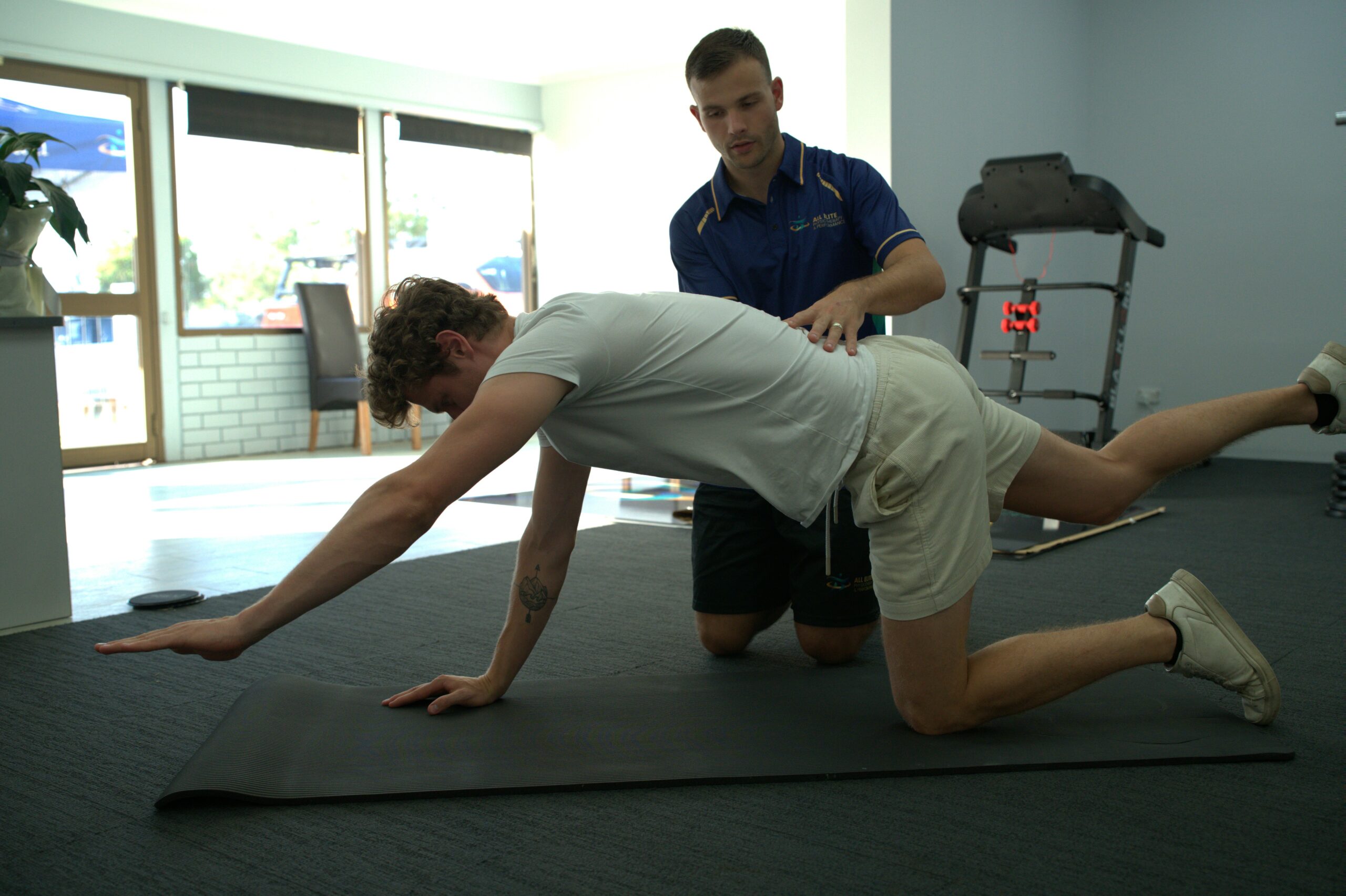
Physiotherapy is a well-supported, non-invasive approach to sciatica. Instead of only chasing the pain, treatment focuses on calming nerve irritation and improving how your spine and hips move and cope with load.
During treatment, you can expect:
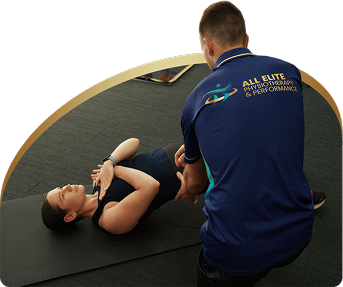
- Thorough assessment of your back, hips, nerve sensitivity, strength, and movement
- Education and reassurance about what is happening and what to expect
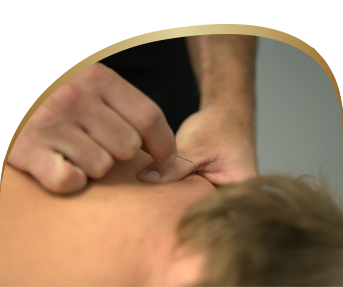
- Manual therapy and dry needling to ease muscle tension and reduce pain
- Nerve mobility exercises to help the nerve move more comfortably
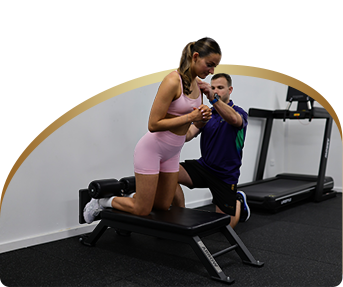
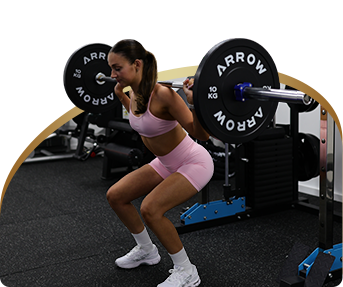
- Core and hip strengthening to support the spine and reduce strain
- Graded movement and activity guidance so you keep moving without aggravating symptoms
- Posture and movement retraining for work, driving, and exercise
The goal is simple: reduce nerve irritation, restore comfortable movement, and build the strength and resilience to prevent flare-ups.
Our Step-by-Step Process for
Sciatica Recovery
At All Elite Physiotherapy & Performance, every sciatica recovery plan starts with finding the source of your symptoms. Our structured approach helps you progress safely.
Step 1: Comprehensive Assessment
We assess your lower back, hips, nerve function, strength, and the movements that aggravate or ease your symptoms. This helps identify what is irritating the nerve.
Step 2: Pain Relief and Calming the Nerve
We reduce pain and irritation using manual therapy, dry needling where appropriate, and positions and movements that settle your symptoms, along with clear advice on staying active.
Step 3: Mobility and Strength
As symptoms ease, we introduce mobility work and targeted core, glute, and hip strengthening to improve spinal support and movement.
Step 4: Functional Rehabilitation
We retrain real-life tasks such as lifting, bending, sitting, and sport-specific movements so you can do them confidently without triggering your symptoms.
Step 5: Ongoing Prevention and Maintenance
Once you’re feeling better, we provide a plan to maintain strength, manage work and training load, and reduce the chance of sciatica returning.
Preventing Future Sciatica Through Strength and Healthy Movement
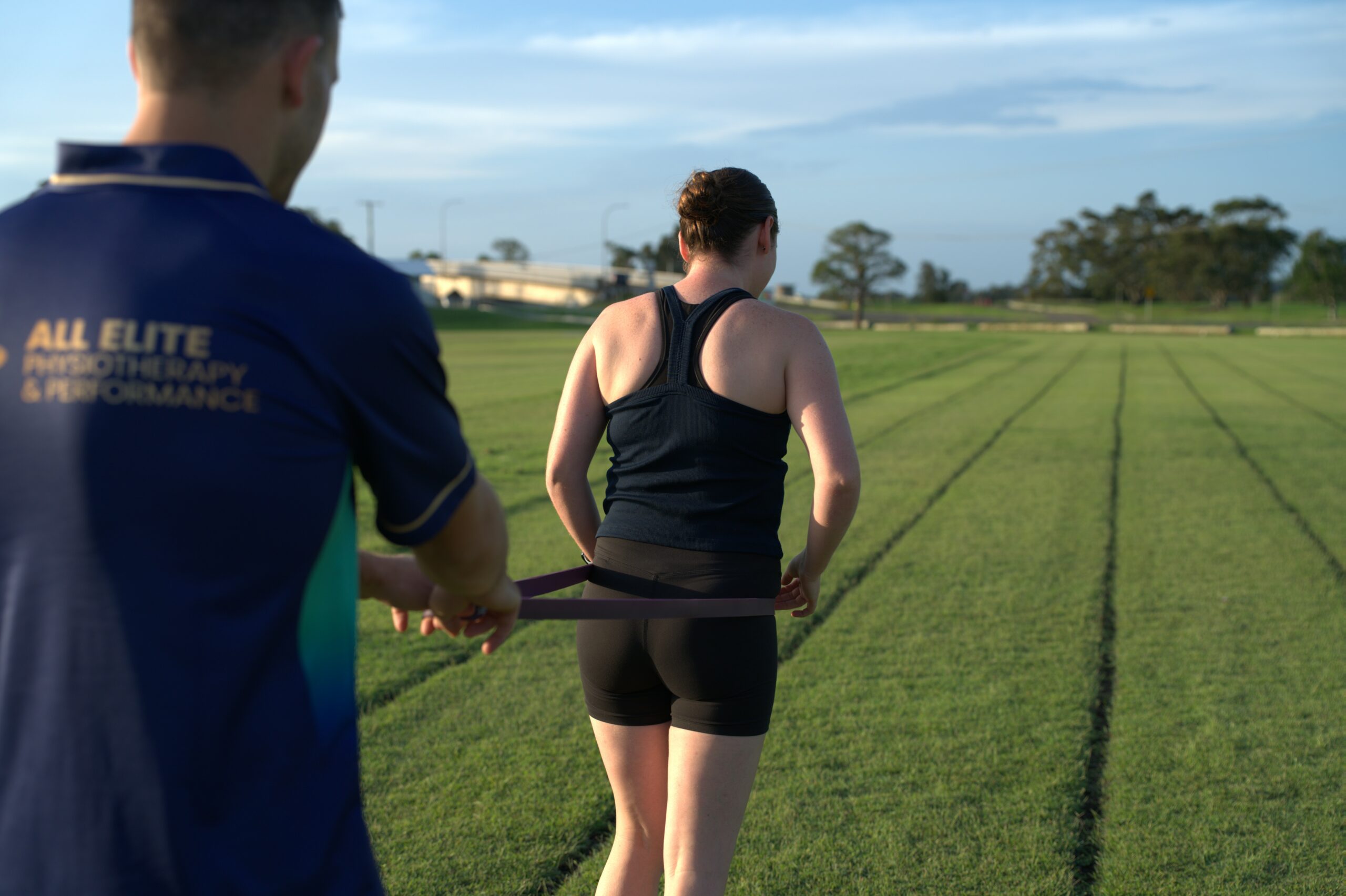
Sciatica can return if the underlying causes aren’t addressed. Our physiotherapists build prevention programs that focus on strength, movement habits, and load management.
Simple steps you can take include:
- Staying active and avoiding long periods of sitting
- Strengthening your core, glutes, and hips
- Lifting with good technique and avoiding sudden heavy loads
- Setting up your desk, car seat, and workspace to support your back
- Warming up before exercise and increasing training gradually
- Getting early help when back or leg symptoms start to return
We’ll help you build a personalised plan that suits your lifestyle, work, and goals.
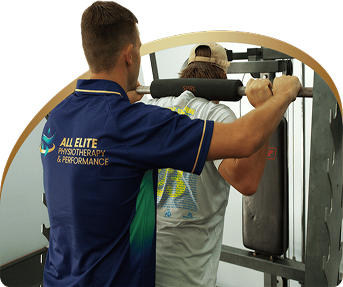
Why Choose All Elite Physio?
Choosing us for your sciatica treatment is the best decision you'll make to ignite your athletic potential.
We're just behind Service NSW, across the road from Raymond Terrace Bowling Club.