HIP PAIN PHYSIO FOR RELIEF & TREATMENT

Hip pain can affect everything from walking, running, sitting, and climbing stairs to training, working, and sleeping comfortably. Simple movements like standing from a chair, getting in and out of the car, or exercising can become frustrating when the hip joint, muscles, tendons, or surrounding structures are not functioning properly. 

At All Elite Physiotherapy & Performance, our physiotherapists use evidence based treatment to reduce hip pain, improve movement, and help prevent long term issues from returning.
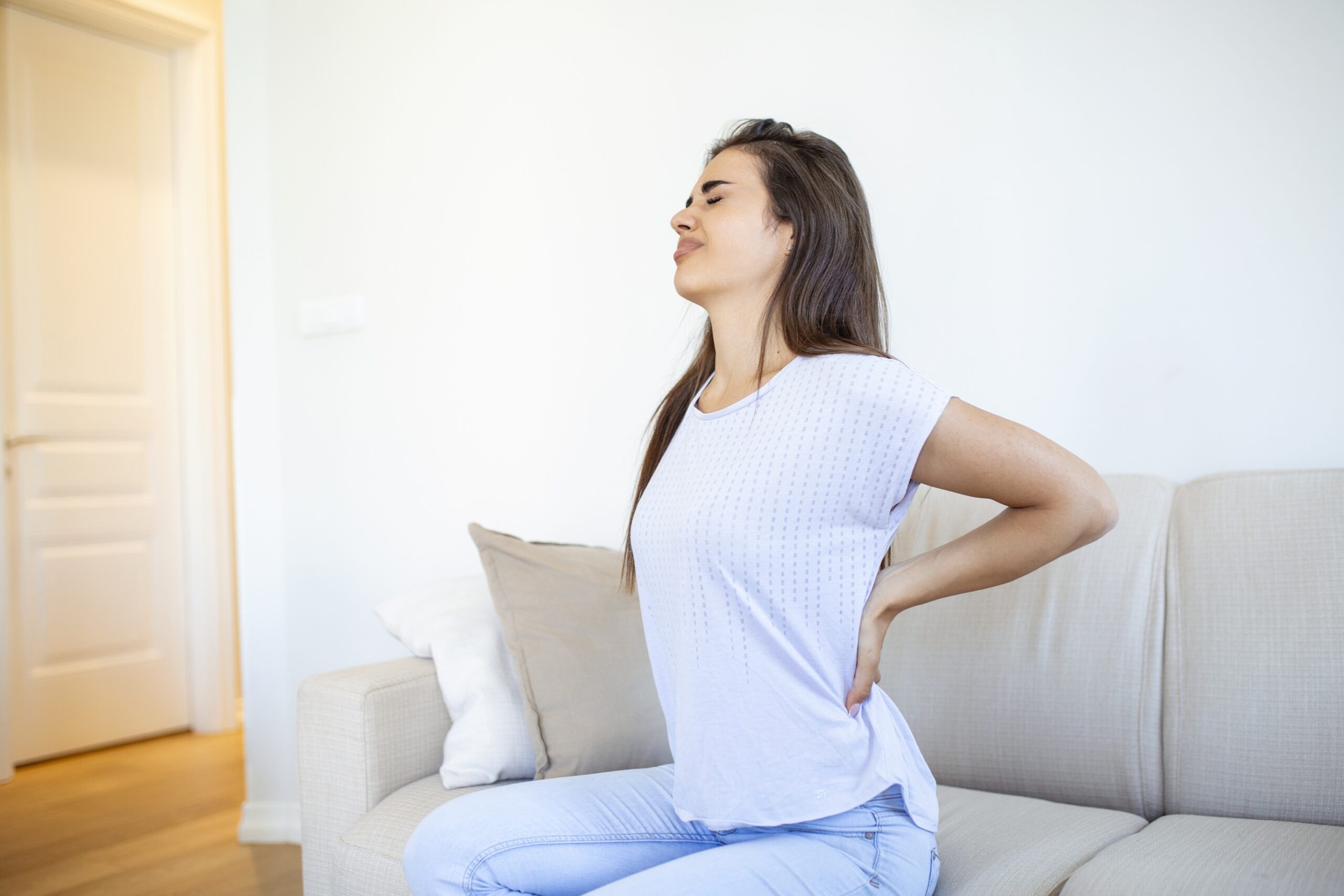
woman suffering from hip pain
What Is Hip Pain and Why It Happens?
The hip is one of the body’s largest weight-bearing joints, helping you walk, run, squat, climb, and move with control. It relies on coordinated movement between the hip joint, pelvis, lower back, glutes, and surrounding muscles. When any part of this system becomes irritated, overloaded, stiff, or weak, pain and restricted movement can develop.

Hip pain may feel sharp, dull, aching, stiff, or deep within the joint. It can affect daily tasks, sport, work, and sleep, especially when sitting for long periods, walking uphill, running, or lying on the affected side. Identifying the underlying cause early helps prevent long term discomfort, weakness, reduced mobility, or recurring flare ups.

Common Causes

Hip pain can stem from a wide range of issues. Our physiotherapists assess more than just the painful area because how your lower back, pelvis, glutes, knees, and feet move can directly influence hip function.

Some of the most common causes include:

  • Hip flexor strain from sudden movement, sprinting, kicking, or overuse
  • Gluteal tendinopathy causing pain on the outside of the hip
  • Hip bursitis creating irritation and tenderness around the hip
  • Joint stiffness or irritation limiting movement and comfort
  • Muscle weakness placing extra strain on the hip and pelvis
  • Poor movement patterns during walking, running, squatting, or lifting
  • Referred pain from the lower back creating symptoms around the hip
  • Overuse injuries from sport, training, repetitive activity, or prolonged standing

Each condition affects the hip differently, so treatment must be personalised to restore strength, mobility, and healthy movement.

Symptoms and Warning Signs

Hip pain can range from mild discomfort to significant restriction. Recognising early warning signs helps prevent small issues from turning into long term pain, weakness, or movement limitations.

Common symptoms include:

  • Pain in the front, side, back, or deep part of the hip
  • Stiffness after sitting, sleeping, or long periods of rest
  • Pain when walking, running, squatting, or climbing stairs
  • Difficulty lying on the affected side
  • Clicking, catching, pinching, or reduced hip movement
  • Weakness or instability through the hip, pelvis, or leg
  • Pain that spreads into the groin, thigh, buttock, or lower back

If any of these symptoms persist for more than a few days or begin disrupting work, sleep, sport, or daily life, it is important to seek a physiotherapy assessment.

When Should You See a Physiotherapist for Hip Pain?
Many people wait weeks or months thinking hip pain will settle naturally, but ongoing or worsening symptoms can indicate joint, tendon, muscle, or movement-related issues. Early physiotherapy can help identify the cause and prevent the problem from becoming harder to treat.

You should book a physiotherapy appointment if:

  • Pain or stiffness does not improve with rest
  • Walking, running, or climbing stairs triggers discomfort
  • Your hip feels weak, tight, unstable, or restricted
  • Pain affects sleep, work, training, or daily activities
  • You notice clicking, catching, or pinching in the hip
  • Symptoms keep returning after activity or exercise

At All Elite Physiotherapy & Performance, we identify the source of your hip pain and create a treatment plan tailored to your goals, lifestyle, and activity level.

Our Step-by-Step Process for

HIP PAIN RECOVERY

At All Elite Physiotherapy & Performance, every hip pain treatment plan begins with understanding your symptoms, movement patterns, and activity demands. Our step-by-step approach helps you recover safely and effectively.

Step 1: Comprehensive Assessment

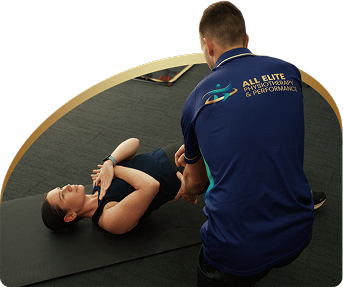
We begin with a detailed assessment of your hip, pelvis, lower back, strength, mobility, walking pattern, and movement control. This helps identify the joint, tendon, muscle, or movement factors contributing to your pain.

Step 2: Pain Relief and Early Recovery

Once the source of pain is identified, we use hands on therapy, gentle exercises, and load management to reduce discomfort, ease stiffness, and restore early movement.

Step 3: Strength and Stability Training

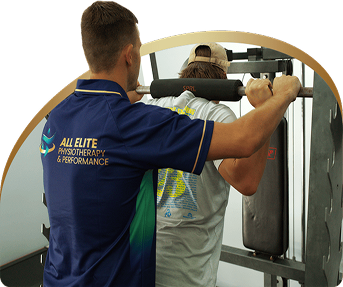
As symptoms improve, we introduce targeted exercises to strengthen the glutes, hips, core, and lower limb. This helps improve control, stability, and confidence with daily activity.

Step 4: Functional Rehabilitation

This stage focuses on restoring real-life movements such as walking, climbing stairs, squatting, lifting, running, training, and sport-specific movements so your hip can perform confidently.

Step 5: Ongoing Prevention and Maintenance

Once recovery is complete, we provide strategies to maintain strength, improve mobility, prevent flare ups, and keep your hip functioning at its best.
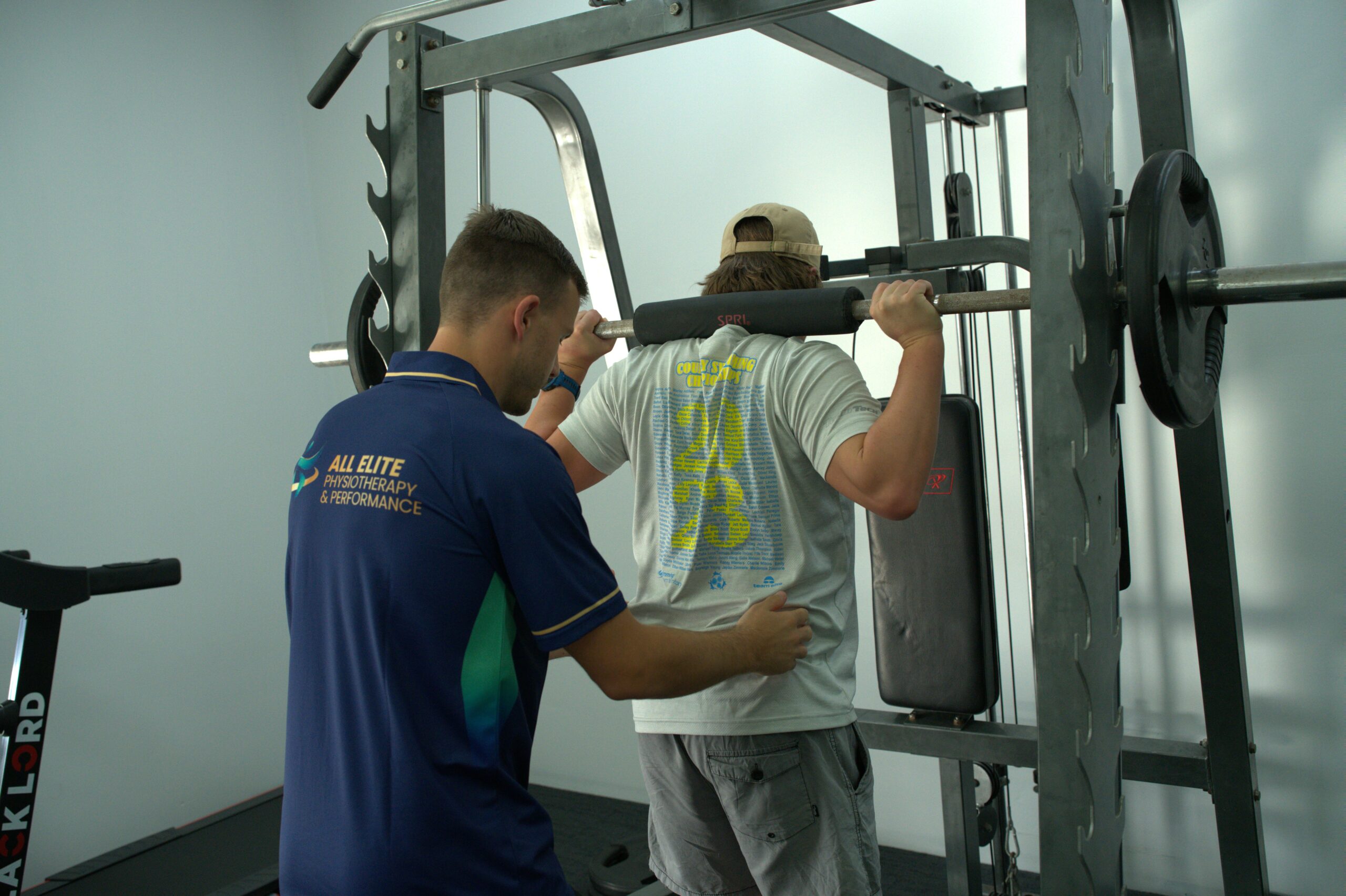
How Physiotherapy Helps Relieve Hip Pain

Physiotherapy addresses both the symptoms and underlying causes of hip pain. Treatment focuses on restoring movement, reducing irritation, improving strength, and helping the hip tolerate daily and sporting demands.

Your treatment plan may include:

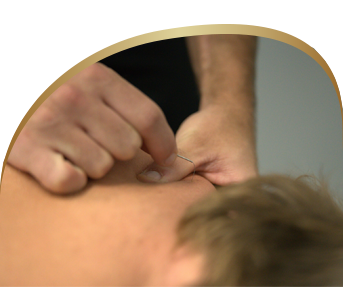
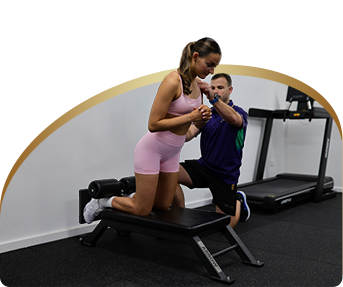
  • Hands on therapy to improve joint mobility and reduce stiffness
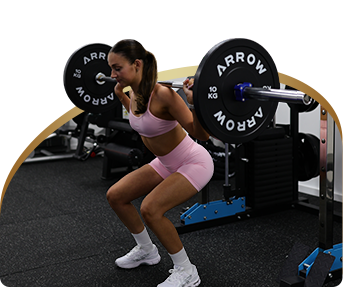
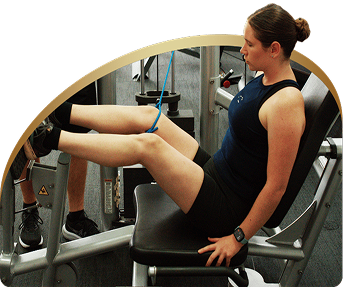
  • Targeted strengthening for the glutes, hip, core, and lower limb
  • Mobility exercises to restore comfortable hip movement
  • Load management strategies to reduce irritation and prevent flare ups
  • Running, walking, or squat technique retraining where needed
  • Education on posture, sleeping positions, training load, and activity modification

The goal is to reduce discomfort, improve control, and build resilience so your hip can handle everyday movement, work, exercise, and sport without recurring pain.

MOVE FREELY WITHOUT HIP PAIN
EXPERT HIP PAIN TREATMENT
Hip pain can make sitting, walking, climbing stairs, and exercise uncomfortable.

At All Elite Physiotherapy & Performance, we provide evidence-based hip pain treatment focused on relieving discomfort, improving movement, rebuilding strength, and helping you return to daily life, work, and sport with confidence.
Why Choose All Elite Physio?


Choosing us for your hip pain treatment is the best decision you'll make to ignite your athletic potential.

We're just down the road from The Raymond Terrace Marketplace on Port Stephens Street.
Find Out more
Finally after years of searching I have found a physio that actually listens and makes a difference. James sat down heard my whole story and got to the bottom of the issue. I would recommend him to anyone
Laura Scully
James is an incredible physio who has helped me with various sporting injuries and getting me back on the field. Would highly reccommed him for any treatment, his knowledge and explanations made me feel comfortable we were always heading in the right direction
Jason liu
I have had shoulder and upper back issues for a while now. James is the best physiotherapist I have been to in a long time. He is very knowledgeable and professional. Can't thank him enough!
Laura Garufi
James is by far the best physiotherapist I have ever been to! I have complete trust in him. He is great at explaining everything clearly, relieving my pain and providing a clear plan for my rehabilitation. I would recommend him to anyone and everyone!
Stephen Batger
I have had very bad shoulder issues, that nobody could fix, but James had it feeling much better after 1 visit, and has put a plan in place to keep it good.
David Newall
Highly recommend James. Very professional and has helped me a great deal!
Rowan Garufi
Would recommend these guys. Very professional, efficient and knowledgeable.
Natalie Maire
All Elite are Trusted by Many Local and Regional Sporting Teams

Hip Pain FAQs

Can hip pain be related to tight muscles?

Wrist pain during typing or mouse use is often linked to repetitive strain, poor wrist positioning, muscle fatigue, tendon irritation, or nerve sensitivity. Holding the wrist in one position for long periods can overload the tissues and reduce comfort over time. Physiotherapy can help improve wrist mobility, strengthen supporting muscles, and provide ergonomic advice to reduce repeated strain.

Can poor posture contribute to hip pain?

Poor posture on its own may not be the only cause, but prolonged sitting, uneven weight shifting, and poor movement habits can increase hip discomfort. These positions may reduce hip mobility or place extra load on certain muscles and tendons. Physiotherapy can help improve movement variety, strength, and daily habits that support better hip function.

Can hip pain affect my knee or lower back?

Yes, hip pain can influence the way your lower back, pelvis, knee, and foot move. If the hip is stiff, weak, or painful, nearby areas may compensate and become overloaded. This is why physiotherapy often assesses the whole lower limb rather than only focusing on the hip.

Can hip pain improve without surgery?

Many cases of hip pain improve with conservative treatment such as physiotherapy, strengthening, mobility work, and load management. Surgery is usually only considered for specific conditions that do not respond to appropriate non-surgical care. A thorough assessment can help determine whether physiotherapy is a suitable first step for your symptoms.

How do I book an appointment for hip pain physiotherapy?

You can book an appointment online or call the clinic directly to arrange a time that suits you. When booking, let the team know you are coming in for hip pain so your physiotherapist can prepare for your assessment. If you are unsure what type of appointment you need, the team can guide you through the best option.
phone