Hamstring, Thigh and Groin Pain Treatment
Whether your pain began with a sudden pull during sprinting, built up gradually over a season, or has been lingering for months, the right assessment and a properly staged plan can restore your strength, speed and confidence.
At All Elite Physiotherapy & Performance, our physiotherapists identify exactly which structure is involved and rebuild it in stages, so you return to what you love once rather than repeatedly.
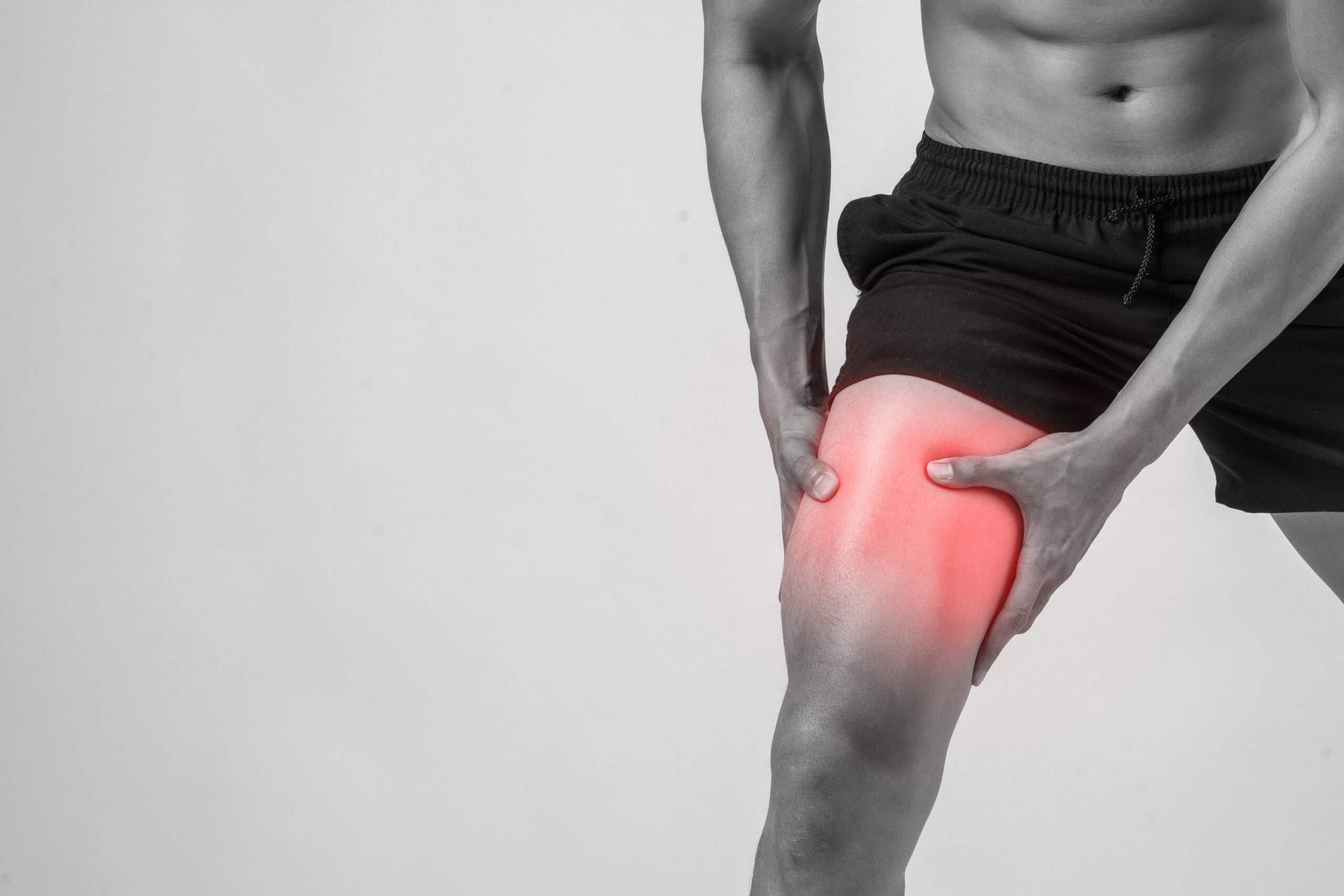
Because these muscles work so closely together, their symptoms often overlap. Pain felt in the back of the thigh can come from the hamstring itself, the hip joint, or nerves referring from the lower back. Groin pain is similar, with several different structures capable of producing discomfort in the same small area.
This is why an accurate diagnosis matters so much here. Rather than treating every case as a simple strain, our physiotherapists test each possible source in turn to find what is genuinely driving your pain.
Common Causes
Back of the thigh
- Hamstring strains from sprinting, kicking, or a sudden stretch
- High hamstring tendinopathy, felt as a deep ache at the sit bone that worsens with sitting or driving
- Nerve referral from the lower back, often mistaken for hamstring tightness that never eases
- Growth-related hamstring pain in adolescents, where the tendon pulls at its bony attachment
Inside of the thigh and groin
- Adductor-related pain from kicking, lunging, or rapid changes of direction
- Hip flexor related pain, common in kicking and sprinting sports
- Pubic-related groin pain, often following an increase in training load
- Hip joint related pain, including labral and impingement problems
- Other causes such as a hernia, which need medical review alongside physiotherapy
Front of the thigh
- Quadriceps strains from sprinting or kicking
- Quadriceps contusions, commonly known as a corked thigh
- Referred pain from the hip or lower back
Underneath many of these sit the same contributing factors: a sudden increase in training, a shortened pre-season, weakness through the hips and trunk, limited exposure to high-speed running, and a previous injury on the same side that never fully recovered.
Symptoms and Warning Signs
Recognising these symptoms early helps prevent a short-term problem from becoming a recurring one. Common signs include:
- A sudden sharp pull or grab during sprinting, kicking or a wide stride
- Bruising through the back or inside of the thigh in the days following an injury
- A deep ache at the sit bone, worse after sitting, driving or long car trips
- Discomfort when kicking, crossing your legs, or getting in and out of the car
- Tenderness over the pubic bone or where the inner thigh muscles attach
- Weakness pushing off, or a leg that will not accelerate as it should
- Tightness that returns within days no matter how much you stretch
- Pain that eases once you are warm and returns as soon as you cool down
Some symptoms need prompt assessment rather than watchful waiting. Please contact us or see your GP if you heard a pop and could not walk afterwards, if bruising is spreading quickly, if a growing teenager has pain directly over a bony point, if groin pain came with a visible lump, or if you have night pain, fever or unexplained weight loss alongside it.
When to See a Physiotherapist for Hamstring, Thigh or Groin Pain
Many people rest this area until the pain settles and understandably treat that as recovery. Comfort, however, returns well before strength and speed do, and that gap is the reason hamstring and groin injuries recur so often. Early assessment consistently shortens recovery and reduces that risk.
It is worth booking an assessment if:
- You have strained the same muscle before, on either leg
- Your pain has not improved after a week to ten days of relative rest
- You can walk comfortably but cannot sprint, kick or accelerate
- You have been managing ongoing tightness that stretching never resolves
- Your groin pain built up gradually rather than starting with a single incident
- You have a season, game or event you are working towards
- Your child or teenager has pain at the sit bone or hip point
Our team will identify the source of your symptoms and build a plan around your condition, your sport and your goals. If you are mid-season, coming in early makes a real difference to how quickly you get back.
Our Step-by-Step Process for
HAMSTRING, THIGH AND GROIN RECOVERY
At All Elite Physiotherapy & Performance, every hamstring, thigh and groin injury is different. Our step-by-step rehabilitation approach is designed to restore movement, rebuild strength and prepare you for a confident return to activity or sport.
Step 1: Comprehensive Assessment
At All Elite Physiotherapy & Performance, every hamstring, thigh and groin injury is different. Our step-by-step rehabilitation approach is designed to restore movement, rebuild strength and prepare you for a confident return to activity or sport.
Step 2: Pain Relief and Early Recovery
Early treatment focuses on reducing pain and irritation while restoring comfortable movement. Your activity may also be modified to avoid unnecessary strain during recovery.
Step 3: Strength and Control Training
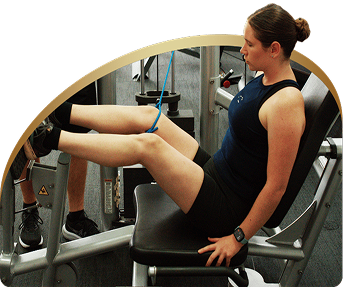
As symptoms improve, we introduce targeted exercises for the hamstrings, quadriceps, adductors and surrounding muscles to rebuild strength, control and load tolerance.
Step 4: Functional Rehabilitation
Your program progresses to running, acceleration, deceleration, jumping and change-of-direction exercises based on the demands of your work, training or sport.
Step 5: Return to Activity and Injury Prevention
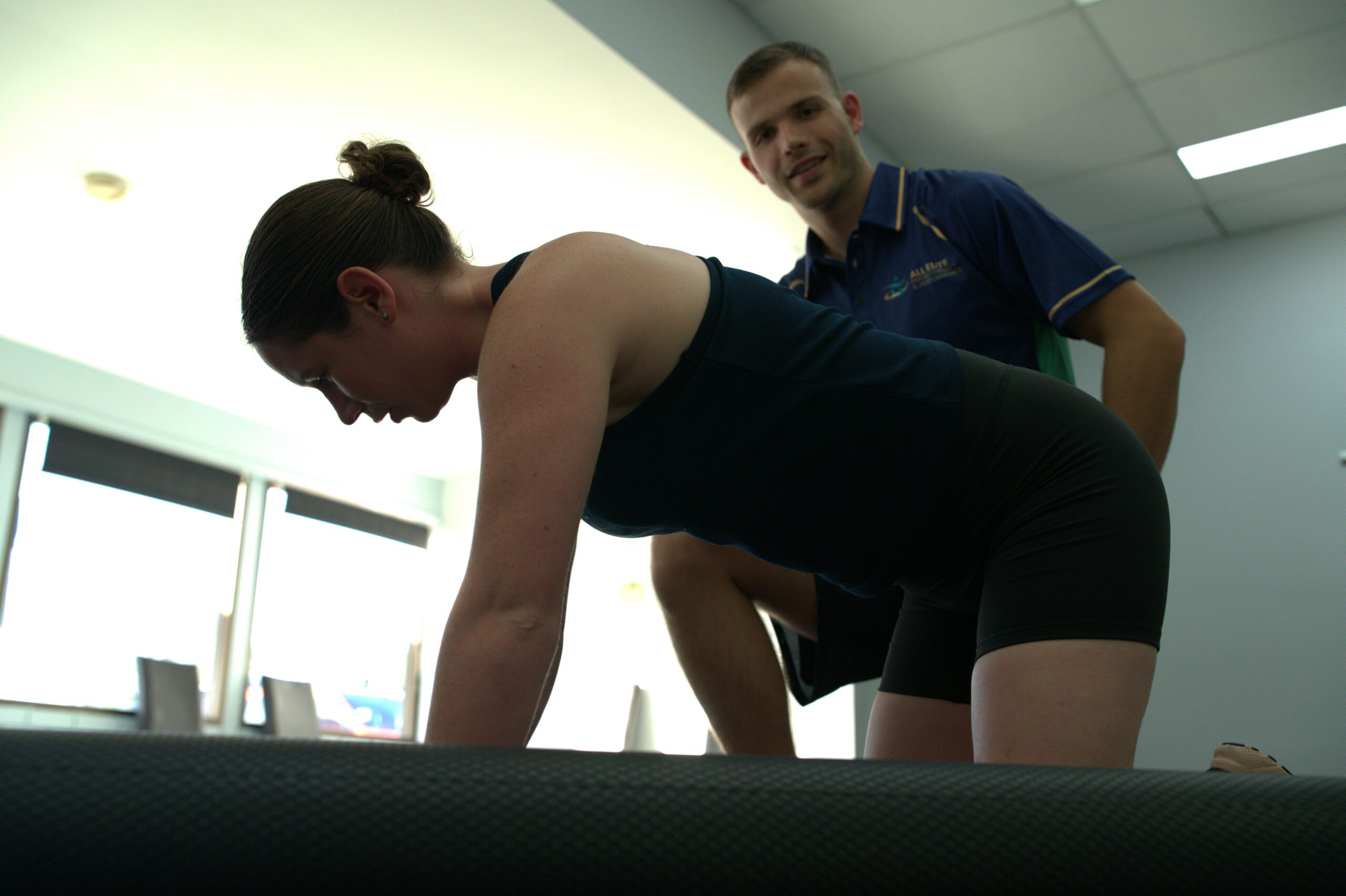
Before returning fully, we progressively test strength, confidence and movement capacity. You will also receive strategies to manage training loads and reduce the risk of recurring hamstring, thigh or groin injuries.
Preventing Future Hamstring and Groin Injuries
Why Choose All Elite Physio?
Choosing us for your wrist & hand pain treatment is the best decision you'll make to ignite your athletic potential.
We're just behind Service NSW, across the road from Raymond Terrace Bowling Club.