FOOT AND HEEL PAIN PHYSIO FOR RELIEF & TREATMENT

Foot and heel pain can make every step uncomfortable, affecting your ability to walk, stand, work, exercise or participate in sport. Even simple activities such as getting out of bed, climbing stairs, wearing certain shoes or standing for extended periods can become difficult when the muscles, joints, tendons or supporting structures of the foot are irritated.

At All Elite Physiotherapy & Performance, our physiotherapists provide evidence-based treatment to reduce foot and heel pain, restore comfortable movement and help you return to daily activities, exercise and sport with confidence.
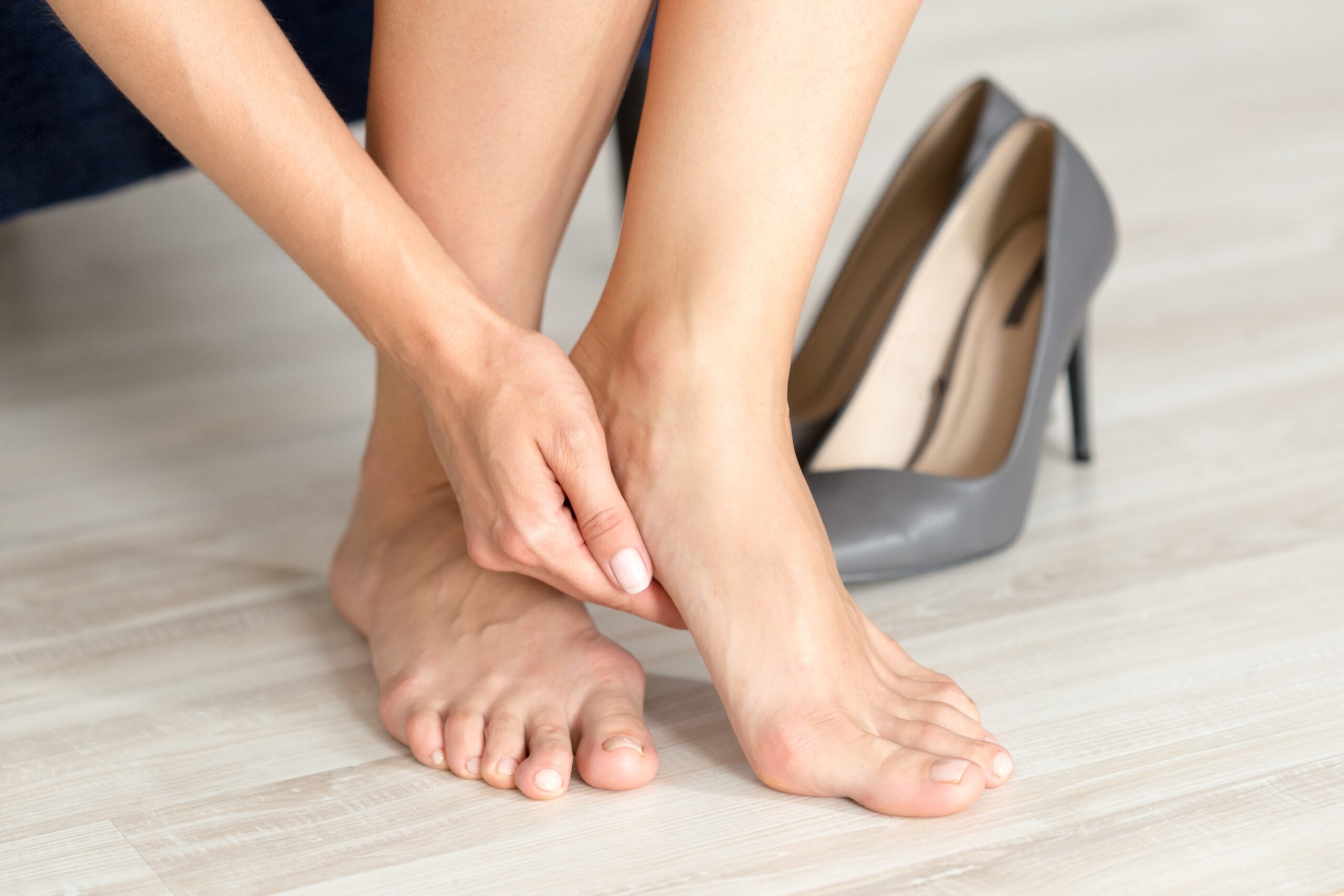
Tired and aching female feet after walking
What Is Foot and Heel Pain and Why It Happens?
The foot contains bones, joints, muscles, tendons and ligaments that support movement, balance and shock absorption. Foot and heel pain can develop from injury, overuse, sudden activity changes or poor load management.

Pain may occur under or behind the heel, through the arch or around the foot. A physiotherapy assessment can identify the affected structures and guide the right treatment for lasting recovery.

Common Causes

Foot and heel pain can develop for many reasons. Our physiotherapists assess more than the painful area because ankle mobility, calf strength, walking mechanics, footwear and activity levels can all influence how the foot functions.

Some of the most common causes include:

  • Plantar fasciopathy causing pain underneath the heel or through the arch
  • Achilles tendinopathy causing pain and stiffness at the back of the heel
  • Ankle or foot sprains caused by twisting, landing awkwardly or changing direction
  • Sudden increases in running, walking, jumping or training volume
  • Reduced calf strength or ankle mobility affecting how force moves through the foot
  • Stress reactions or stress fractures caused by repeated impact and overloading
  • Heel pad irritation creating tenderness directly underneath the heel
  • Tendon irritation affecting the inside, outside or top of the foot
  • Unsuitable, worn or poorly fitted footwear
  • Prolonged standing or walking on hard surfaces
  • Changes in walking, running or landing technique
  • Referred or nerve-related symptoms from the ankle, leg or lower back

Each condition affects the foot differently, so treatment should be based on an individual assessment rather than symptoms alone. Plantar heel pain and Achilles problems are both commonly associated with increased or poorly managed physical loads.

Symptoms and Warning Signs

Foot and heel pain can range from mild stiffness to significant discomfort that limits walking, work or sport. Recognising the early signs may help prevent the problem from becoming more persistent.

Common symptoms include:

  • Pain underneath, behind or around the heel
  • Arch, forefoot or midfoot discomfort
  • Pain during the first few steps in the morning
  • Stiffness after sitting or resting for an extended period
  • Pain that increases with walking, running, jumping or prolonged standing
  • Tenderness when pressing around the heel, arch or tendons
  • Swelling, warmth or irritation around the foot or ankle
  • Difficulty pushing through the foot when walking or running
  • Reduced balance, strength or confidence on the affected side
  • Burning, tingling or numbness through the foot
  • Symptoms that improve after warming up but return after activity

The location, timing and behaviour of your symptoms can provide important clues about the underlying cause. For example, pain underneath the heel during the first steps after rest is commonly associated with plantar heel pain, while Achilles-related symptoms are usually felt at the back of the heel and may worsen with running or jumping.

When Should You See a Physiotherapist for Foot and Heel Pain?
Some foot and heel pain may improve with temporary activity changes. However, persistent, worsening or recurring symptoms may indicate an underlying strength, mobility, tendon or load-related issue.

You should see a physiotherapist if:

  • Pain does not improve with rest or activity modification
  • Your first steps in the morning are painful
  • Walking, running, jumping or standing causes discomfort
  • Pain returns when you resume exercise or sport
  • Your foot feels weak, stiff or unstable
  • Symptoms affect work, sleep or daily activities
  • You have changed the way you walk to avoid pain
  • You are recovering from a foot, heel or ankle injury

Seek prompt medical care after significant trauma, if you cannot bear weight, or if you experience severe swelling, deformity, redness, fever, numbness or a wound that is not healing.

At All Elite Physiotherapy & Performance, we assess the factors contributing to your symptoms and create a treatment plan tailored to your condition and recovery goals.

Our Step-by-Step Process for

FOOT AND HEEL PAIN RECOVERY

Every foot and heel pain treatment plan begins with understanding where your symptoms are coming from and why they developed. Our structured approach aims to relieve pain, restore movement and rebuild the strength needed for long-term recovery.

Step 1: Comprehensive Assessment

We assess your symptoms, injury history, footwear, activity levels and recovery goals. This may include checking foot and ankle movement, calf strength, balance, walking and functional movements to identify the likely source of pain.

Step 2: Pain Relief and Early Recovery

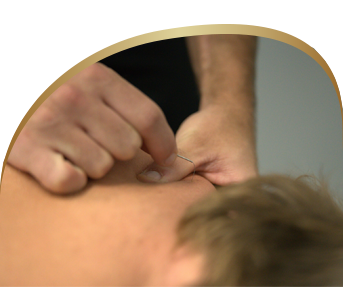
Treatment focuses on reducing irritation and restoring comfortable movement. This may include hands-on therapy, taping, mobility exercises, footwear advice and temporary activity modifications.

Step 3: Strength and Stability Training

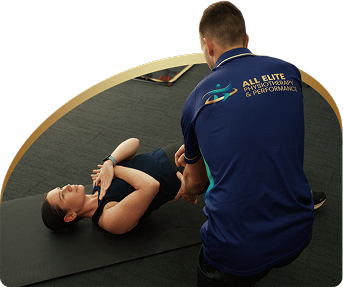
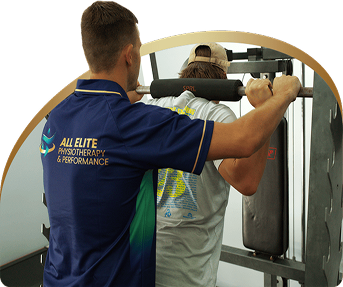
Targeted exercises help rebuild strength in the foot, ankle, calf and lower limb. Your program may include calf loading, foot strengthening, balance work and single-leg exercises.

Step 4: Functional Rehabilitation

Rehabilitation gradually prepares you for everyday and sporting demands. This may involve walking, running, jumping, landing and sport-specific drills.

Step 5: Ongoing Prevention and Maintenance

We provide a long-term plan to reduce recurring pain, including strength exercises, training guidance, footwear advice and strategies for managing early symptoms.
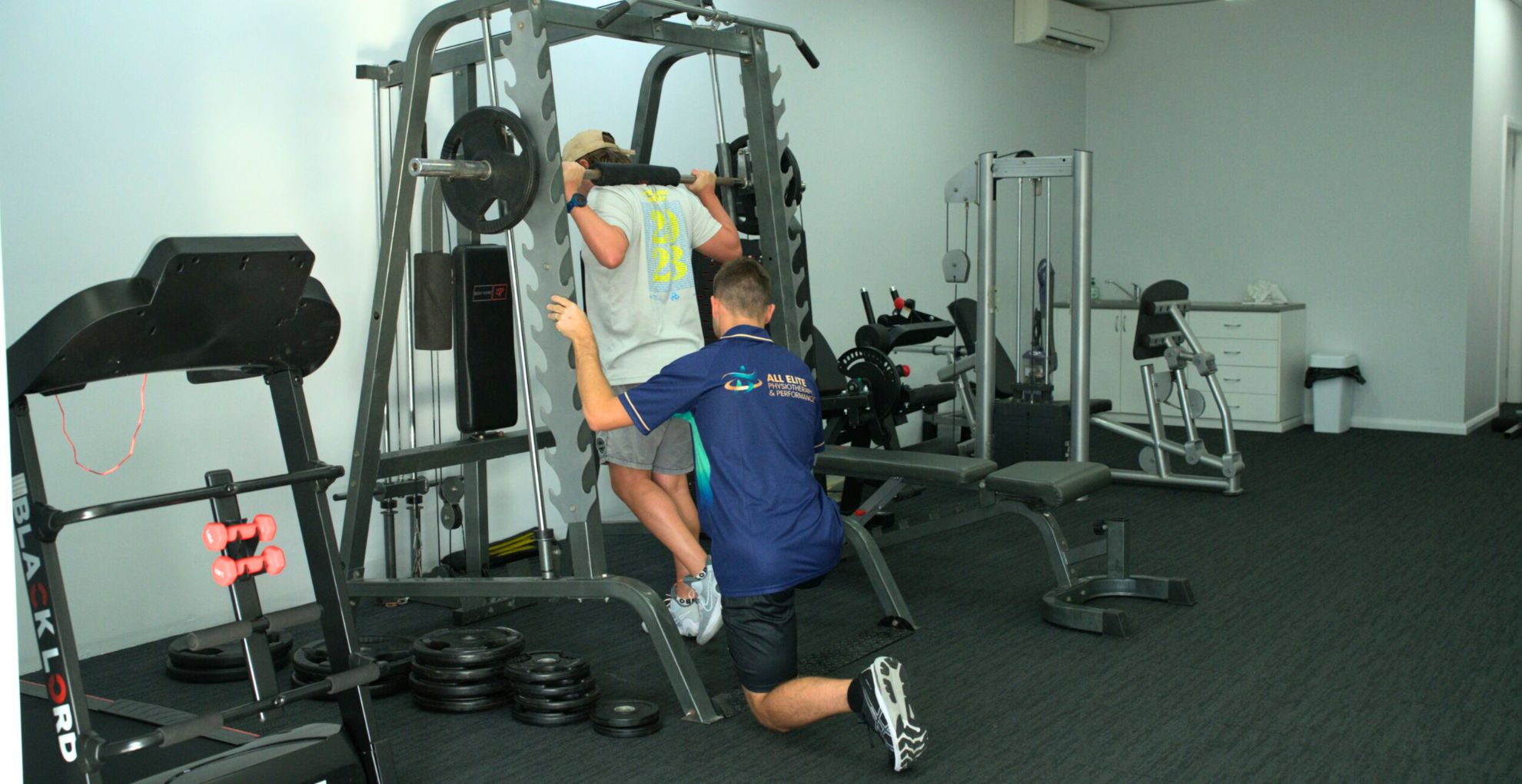
physio for sports injury

How Physiotherapy Helps Relieve Foot and Heel Pain

Physiotherapy addresses the underlying factors contributing to foot and heel pain, including strength, mobility, movement patterns and activity demands.

Treatment may include:

  • Hands-on therapy to improve mobility
  • Foot, ankle and calf strengthening
  • Balance and stability exercises
  • Plantar fascia or Achilles loading programs
  • Walking or running technique retraining
  • Taping, footwear and activity advice
  • Gradual return-to-sport planning

The goal is to reduce pain, improve load tolerance and help you return to daily activities or sport with confidence.

MOVE COMFORTABLY WITHOUT FOOT OR HEEL PAIN
EXPERT FOOT AND HEEL PAIN TREATMENT
Foot and heel pain can make walking, working, training and even standing uncomfortable.

At All Elite Physiotherapy & Performance, we provide evidence-based treatment focused on reducing pain, improving mobility, restoring strength and helping you return to daily life, exercise and sport with confidence.
Why Choose All Elite Physio?

Choosing the right physiotherapist can make an important difference to your foot and heel pain recovery.

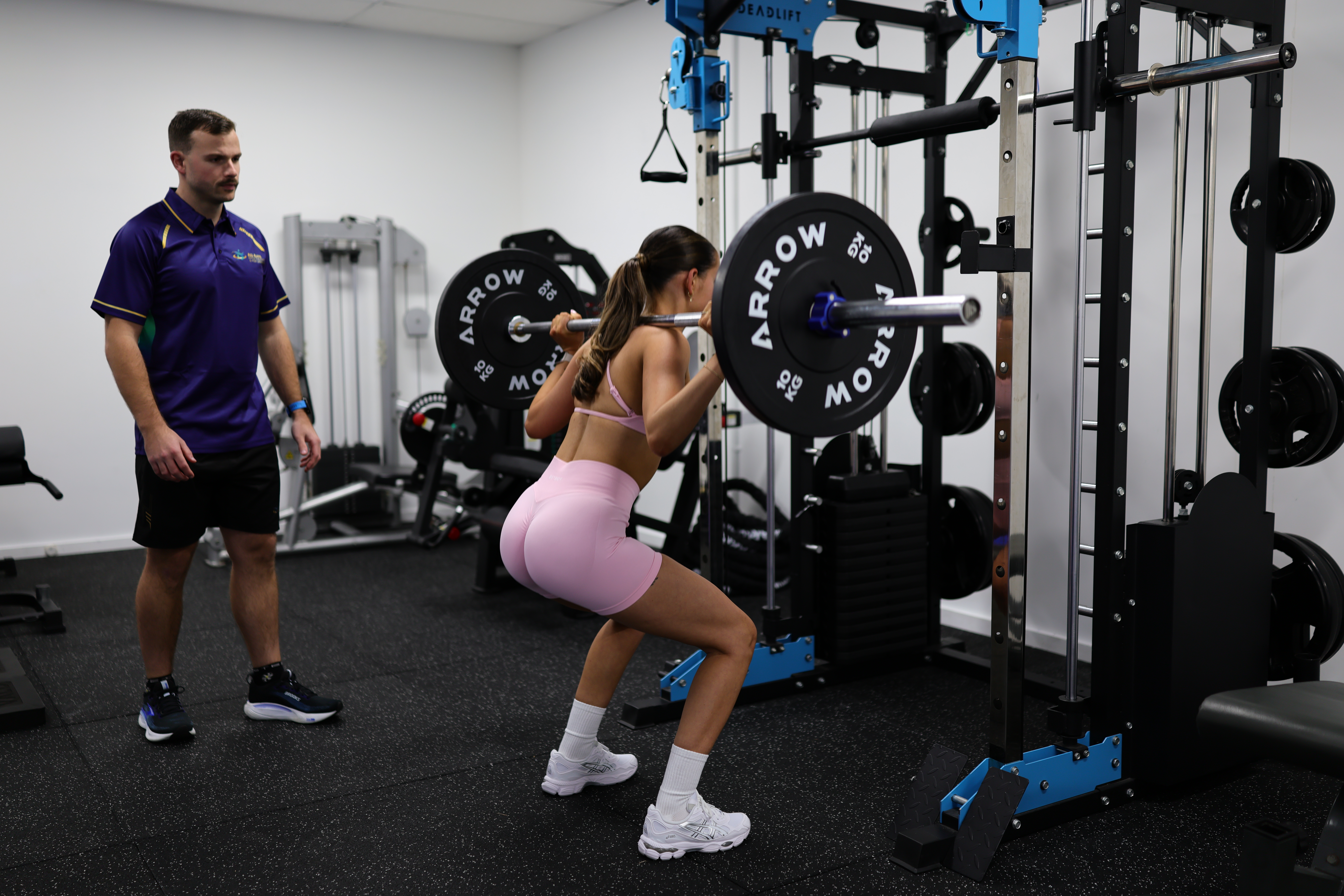
At All Elite Physiotherapy & Performance, we take the time to understand how your symptoms affect your work, daily activities, exercise and sporting goals. 
Find Out more
Finally after years of searching I have found a physio that actually listens and makes a difference. James sat down heard my whole story and got to the bottom of the issue. I would recommend him to anyone
Laura Scully
James is an incredible physio who has helped me with various sporting injuries and getting me back on the field. Would highly reccommed him for any treatment, his knowledge and explanations made me feel comfortable we were always heading in the right direction
Jason liu
I have had shoulder and upper back issues for a while now. James is the best physiotherapist I have been to in a long time. He is very knowledgeable and professional. Can't thank him enough!
Laura Garufi
James is by far the best physiotherapist I have ever been to! I have complete trust in him. He is great at explaining everything clearly, relieving my pain and providing a clear plan for my rehabilitation. I would recommend him to anyone and everyone!
Stephen Batger
I have had very bad shoulder issues, that nobody could fix, but James had it feeling much better after 1 visit, and has put a plan in place to keep it good.
David Newall
Highly recommend James. Very professional and has helped me a great deal!
Rowan Garufi
Would recommend these guys. Very professional, efficient and knowledgeable.
Natalie Maire
All Elite are Trusted by Many Local and Regional Sporting Teams

FAQs

What causes heel pain during the first steps in the morning?

Pain during the first few steps after waking or resting is commonly associated with plantar heel pain. The plantar fascia may become sensitive when it is placed under load after remaining still for an extended period. Symptoms can ease as you begin moving but may return after prolonged standing, walking or physical activity.

Is all heel pain caused by plantar fasciitis?

No. Heel pain can also be related to Achilles tendinopathy, heel pad irritation, bursitis, stress injuries, arthritis, nerve irritation or other conditions. The location and behaviour of the pain help determine which structure may be involved. A physiotherapy assessment can help identify the likely cause and guide appropriate treatment.

Can I continue running with foot or heel pain?

This depends on the cause and severity of your symptoms. Some people can continue with a temporarily reduced running load, while others may need to replace running with a lower-impact activity during the early stages of recovery. Your physiotherapist can assess your symptoms and develop a gradual plan for returning to your usual distance, speed and training intensity.

How long does foot and heel pain take to improve?

Recovery time varies according to the condition, how long symptoms have been present and the physical demands placed on the foot. Mild problems may settle relatively quickly, while long-standing tendon or plantar fascia pain can require a more gradual rehabilitation process. Following a consistent exercise and load-management plan can help improve recovery.

Can foot and heel pain improve without surgery?

Many musculoskeletal causes of foot and heel pain can be managed without surgery through physiotherapy, activity modification and progressive strengthening. Surgery is generally considered only for certain injuries or conditions that do not respond to appropriate conservative management. An assessment can help determine the most suitable approach for your symptoms.
phone