RECOVER FROM ANKLE PAIN & GET BACK TO MOVING
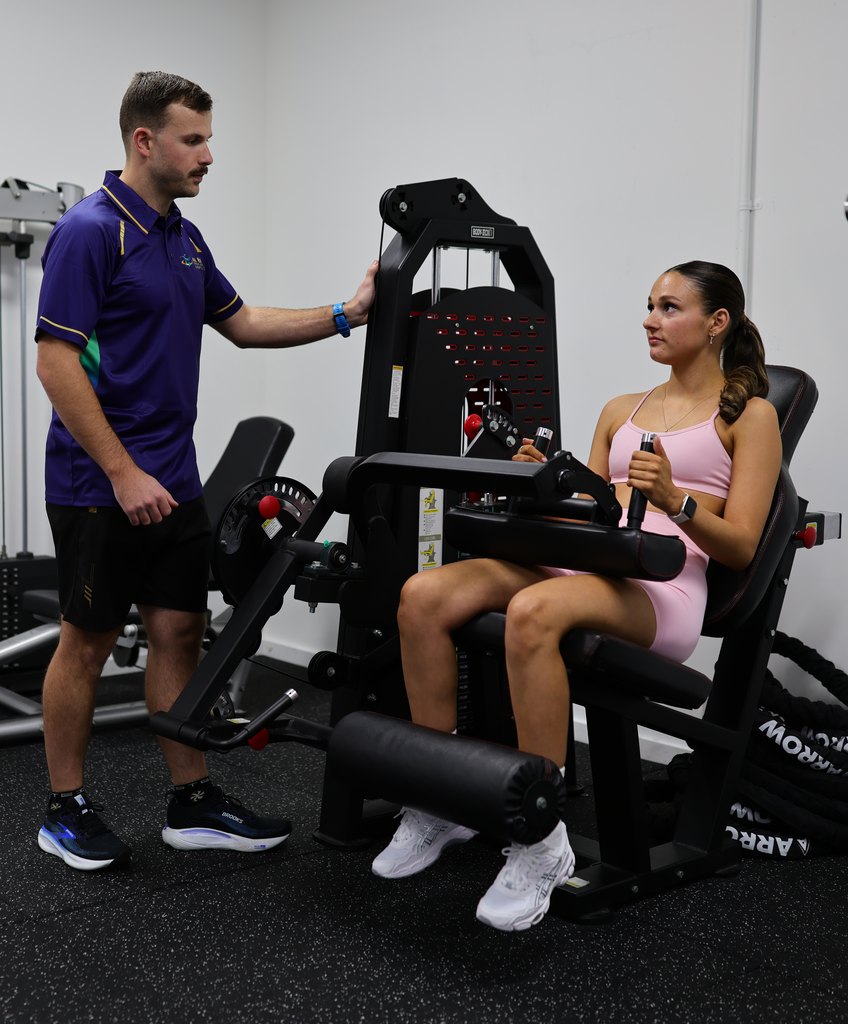
At All Elite Physiotherapy & Performance, we provide one-on-one care and structured rehab plans to support lasting ankle strength and stability.

Ankle pain can feel sharp with movement, achy at rest, or weak and unstable under load. It may occur suddenly after a twist or roll, or build over time from sport, walking patterns, or repeated stress.
Early treatment helps reduce long term weakness, prevent reinjury, and restore normal movement.
Common Causes
Ankle pain often develops from a combination of factors rather than a single injury. Ligament stress, joint restriction, and poor movement habits can all contribute. We assess how your ankle and surrounding structures function together to identify the root cause.
Common causes include:
- Ankle sprains from sudden twists or awkward landings
- Poor footwear or lack of support during activity
- Joint stiffness affecting normal ankle movement
- High impact sports or sudden changes in direction
- Repetitive strain from running or prolonged standing
- Tendon overload leading to irritation or inflammation
- Nerve sensitivity causing discomfort or altered sensation
- Weakness in surrounding muscles increasing joint stress
Each case requires a personalised approach to effectively resolve the cause of pain.
Symptoms and Warning Signs
Ankle pain can vary from minor discomfort to significant limitation. Identifying symptoms early can help reduce the risk of chronic instability or further injury.
Common symptoms include:
- Pain during movement or when placing weight on the foot
- Swelling, stiffness, or tenderness around the joint
- Instability or reduced confidence when walking
- Pain extending into the heel, foot, or lower leg
- Tingling, numbness, or weakness in the area
- Limited flexibility or restricted ankle motion
- Difficulty balancing or standing for long periods
If symptoms persist or interfere with daily tasks, a professional assessment is advised.
When to See a Physiotherapist for Ankle Pain
While some ankle pain may improve with rest, ongoing discomfort or instability often requires targeted treatment. Early intervention can help prevent chronic pain, stiffness, or repeated ankle problems.
You should consider physiotherapy if:
- Pain does not improve after several days
- You feel instability or lack of support in the ankle
- Swelling continues or returns frequently
- Pain extends into surrounding areas
- Movement feels limited or guarded
- Symptoms impact work, sport, or daily movement
Our physiotherapists assess your condition and provide a clear pathway to recovery.

How Physiotherapy Helps Relieve Ankle Pain
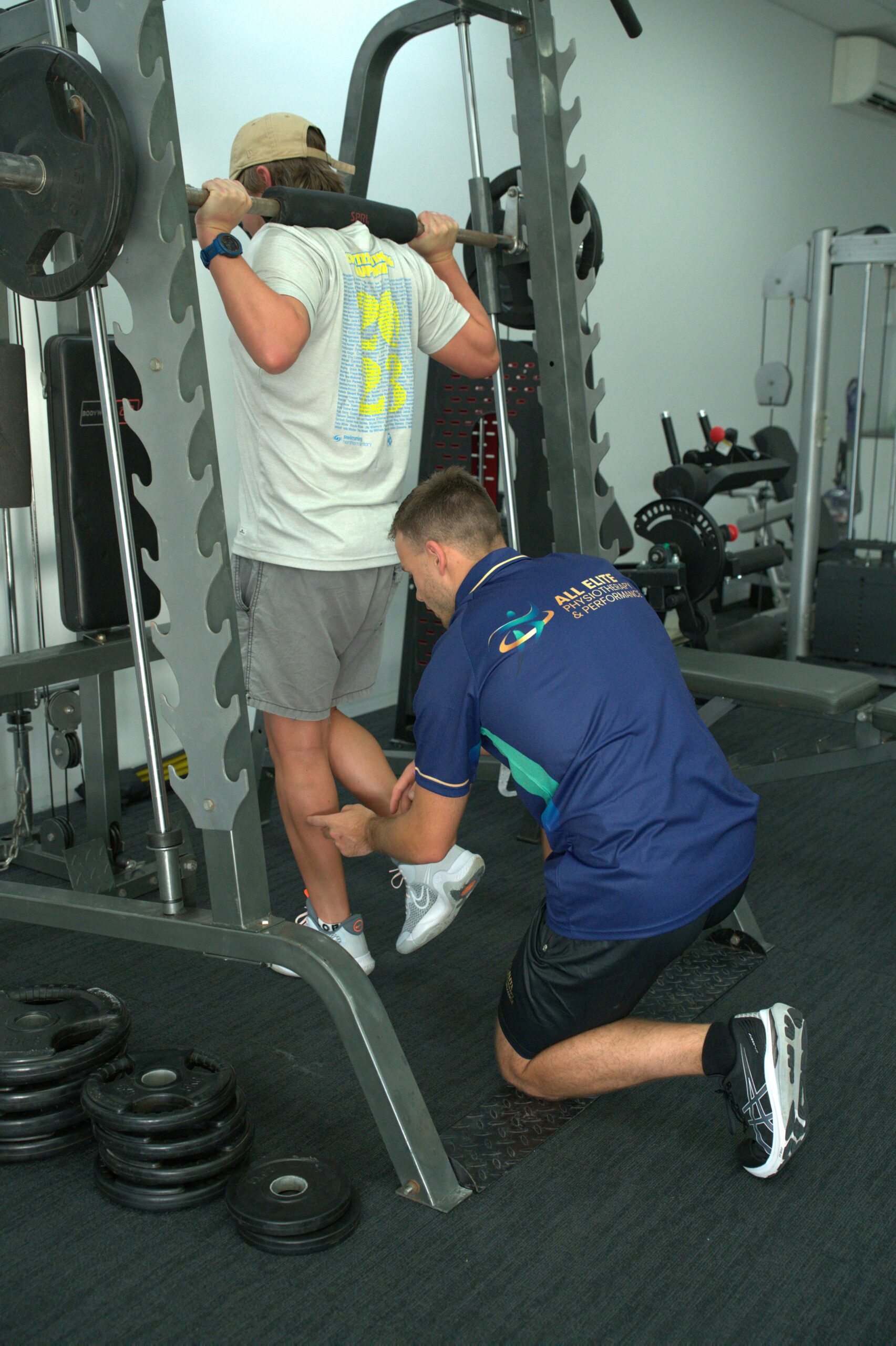
Physiotherapy focuses on treating both the cause and symptoms of ankle pain. Care is centred around restoring mobility, improving strength, and supporting long term joint stability.
Your treatment plan may include:
- Manual therapy to improve joint movement and reduce stiffness
- Strengthening exercises for ankle and lower leg muscles
- Stability training to improve balance and coordination
- Mobility exercises to restore normal range of motion
- Load management to avoid aggravating the injury
- Guidance on footwear, activity, and recovery strategies
The goal is to relieve pain, restore function, and help prevent future ankle injuries.
Our Step-by-Step Process for
ANKLE PAIN RECOVERY
At All Elite Physiotherapy & Performance, we take a structured and progressive approach to improve movement, reduce pain, and build resilience.
Step 1: Comprehensive Assessment
We assess your ankle, foot, and lower limb to understand the cause of your symptoms.
Step 2: Pain Relief and Early Recovery
Treatment focuses on reducing pain, improving mobility, and settling irritation early.
Step 3: Strength and Stability
Targeted exercises build strength and control through the ankle and lower leg.
Step 4: Functional Rehabilitation
We restore normal movement patterns for daily activities, work, and sport.
Step 5: Ongoing Prevention and Maintenance
A structured plan helps maintain progress and reduce the risk of recurring pain.
Preventing Ankle Pain: Strength, Stability and Injury Prevention
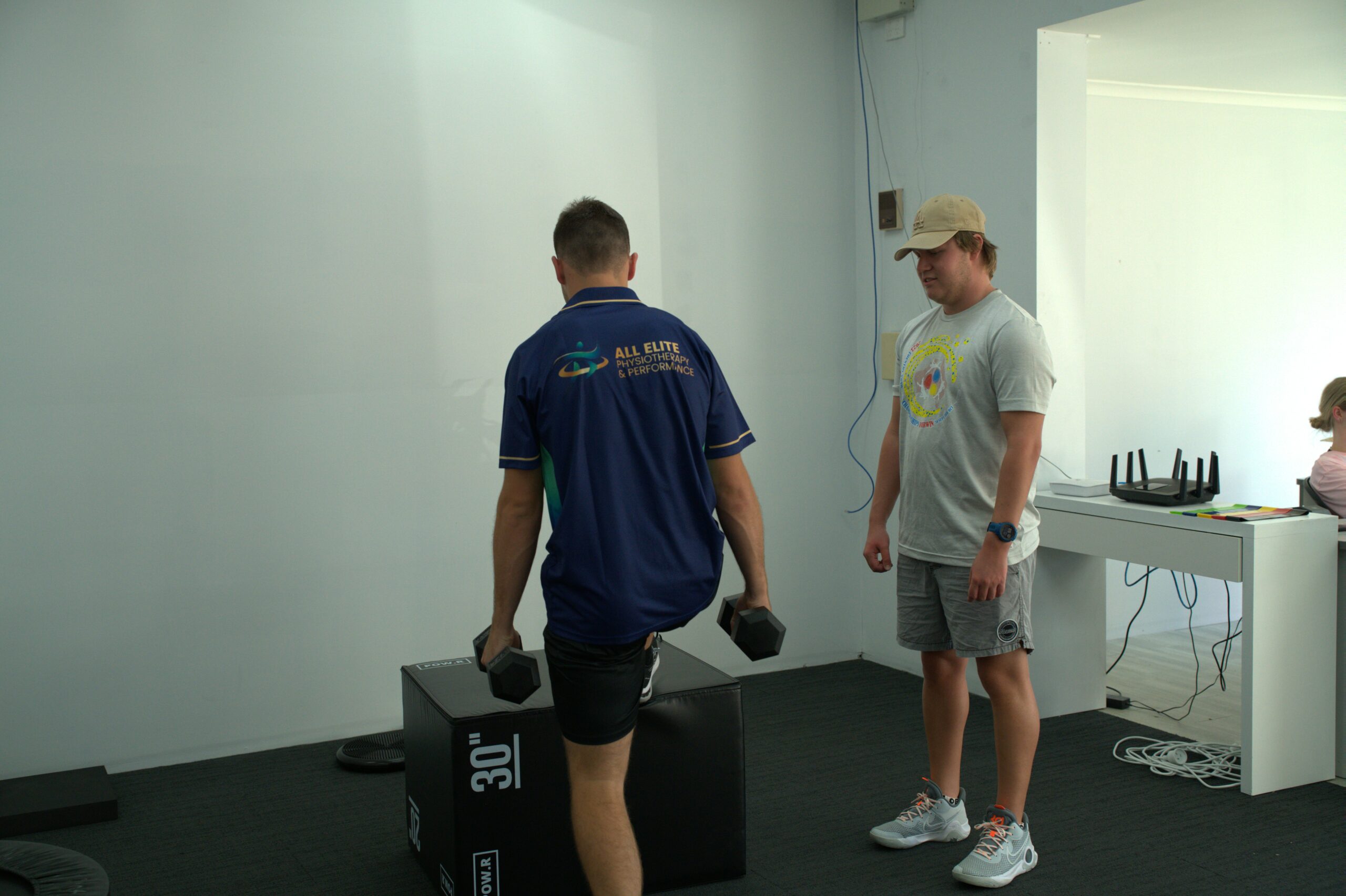
Long term ankle function depends on strength, control, and proper movement patterns. Many ankle injuries can be avoided with small adjustments to how you move and train.
Preventative strategies include:
- Building strength through the ankle and calf muscles
- Choosing footwear that provides adequate support
- Progressing activity levels gradually
- Maintaining flexibility and joint mobility
- Improving balance and proprioception
- Managing training loads and recovery
With the right approach, you can significantly reduce the likelihood of future ankle injuries and ongoing pain.

Why Choose All Elite Physio?
Choosing us for your ankle pain treatment is the best decision you'll make to ignite your athletic potential.
We're just behind Service NSW, across the road from Raymond Terrace Bowling Club.