Achilles Tendinopathy Treatment & Recovery

Achilles pain can turn running, jumping, or even the first steps out of bed into a daily struggle. That ache or stiffness at the back of your heel or lower calf is easy to ignore at first, but it often worsens when you push through it. 

At All Elite Physiotherapy & Performance, we help people recover from Achilles tendinopathy. Our physiotherapists use evidence-based loading programs to settle pain, restore calf and tendon capacity, and help you return to sport with confidence.
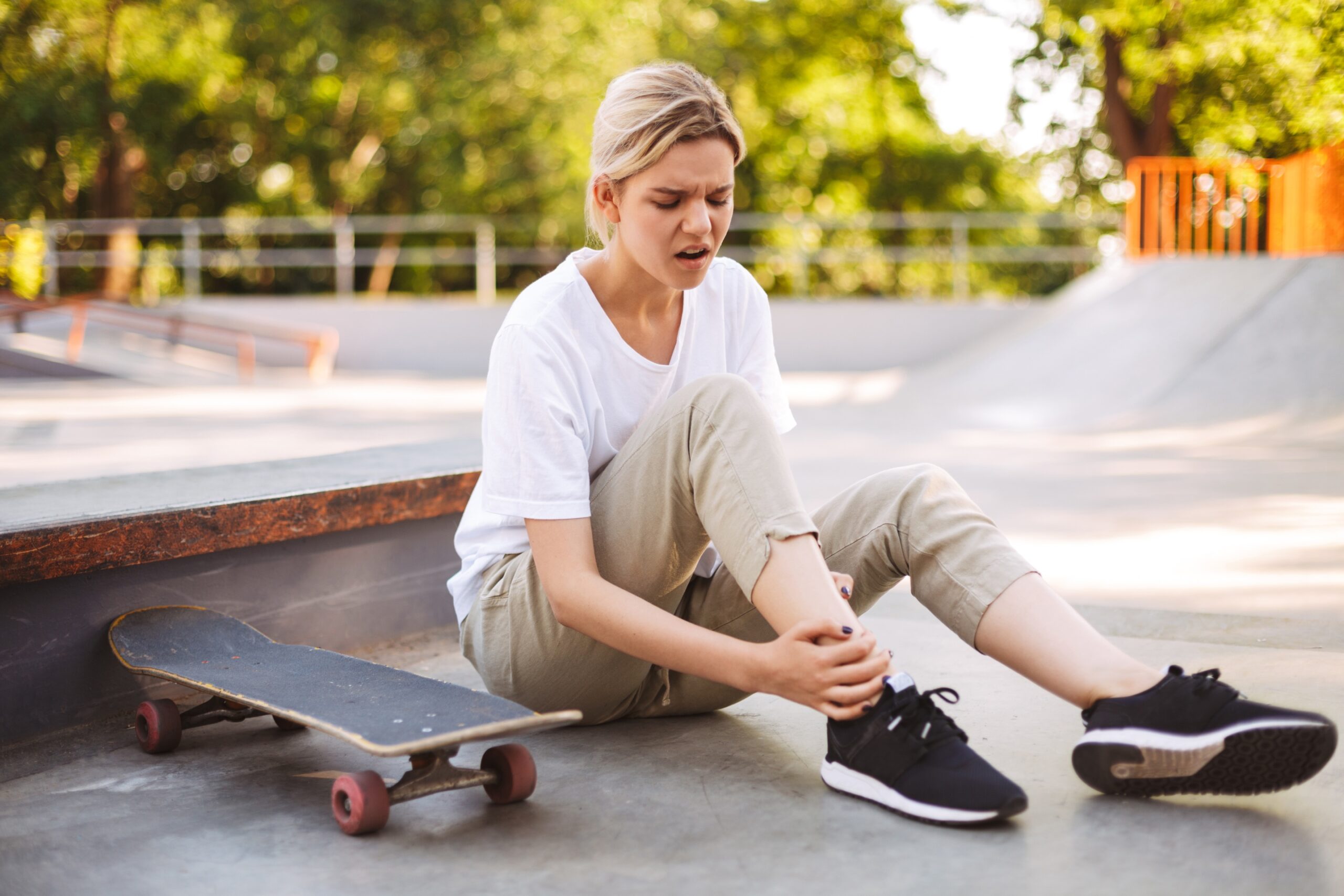
what is achilles tendinopathy
What Is Achilles Tendinopathy and Why It Happens?
The Achilles tendon is the largest and strongest tendon in the body. It connects your calf muscles to your heel bone and handles huge forces every time you walk, run, jump, or change direction.

Achilles tendinopathy is a load-related condition where the tendon becomes irritated and less able to tolerate the demands placed on it. Pain is usually felt either in the middle of the tendon, a few centimetres above the heel, or right where the tendon attaches to the heel bone. It tends to develop gradually when training load, recovery, and tendon capacity are out of balance.

Because tendons adapt slowly, early assessment matters. Catching the problem early often means a shorter recovery and a lower risk of ongoing, recurring pain.

Common Causes

Achilles pain rarely comes from one single thing. Our physiotherapists look at how much load your tendon is taking, and how well your calf, foot, ankle, and hips share the work.

Some of the most common causes include:

  • Sudden increases in training load such as extra running volume, hill work, or speed sessions
  • Return to sport after a break when the tendon is not yet conditioned for the demands
  • Weak or fatigued calf muscles that cannot absorb and produce force effectively
  • Limited ankle mobility that changes how load travels through the tendon
  • Footwear changes or worn-out shoes that alter how the foot loads
  • Repetitive jumping and sprinting common in netball, basketball, football, and running sports
  • Hip and foot control issues that increase strain further down the chain
  • Age-related changes in the tendon, especially in recreational athletes over 30

Each cause affects the tendon differently, so treatment needs to be personalised to the person and their activity.

Symptoms and Warning Signs

Achilles tendinopathy often starts as a mild nuisance and slowly gets worse if the load is not managed. Common symptoms include:

  • Pain or stiffness at the back of the heel or lower calf
  • Morning stiffness or pain with the first steps after rest
  • Pain that eases as you warm up, then returns after activity
  • Tenderness or thickening along the tendon
  • Pain when running, hopping, jumping, or climbing stairs
  • Difficulty pushing off or rising onto your toes
  • Calf tightness or weakness on the affected side

If these symptoms last more than a few days or begin to affect your training, it is worth getting assessed early.

Seek urgent medical care if you feel a sudden "pop" or sharp pain at the back of your ankle, have trouble pushing off, or cannot rise onto your toes. These can be signs of an Achilles tendon rupture.

When to See a Physiotherapist for Achilles Pain
Many people try to run through Achilles pain, hoping it will settle on its own. Because tendons recover slowly, ignoring early symptoms can lead to a longer recovery.

You should see a physiotherapist if:

  • Pain has lasted longer than a week or keeps returning
  • Morning stiffness is becoming more noticeable
  • Pain is limiting how far or fast you can run
  • You notice swelling, thickening, or a tender lump on the tendon
  • You are unsure whether to rest, modify, or keep training
  • You have had Achilles pain before and it has come back

At All Elite Physiotherapy & Performance, our team identifies what is driving your tendon pain and builds a plan around your sport, work, and goals.

Our Step-by-Step Process for

ACHILLES TENDINOPATHY RECOVERY

At All Elite Physiotherapy & Performance, every Achilles recovery plan starts with understanding why your tendon became irritated. Our structured approach helps you progress safely.

Step 1: Comprehensive Assessment

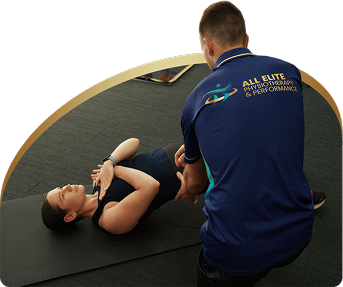
We assess your tendon, calf strength, ankle mobility, and movement patterns, along with your training history and sport demands. This helps us find what is driving the problem.

Step 2: Pain Relief and Load Modification

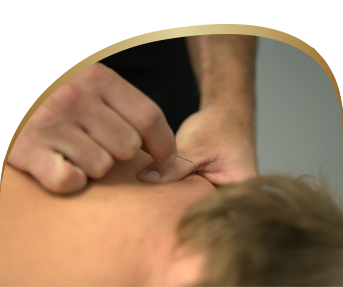
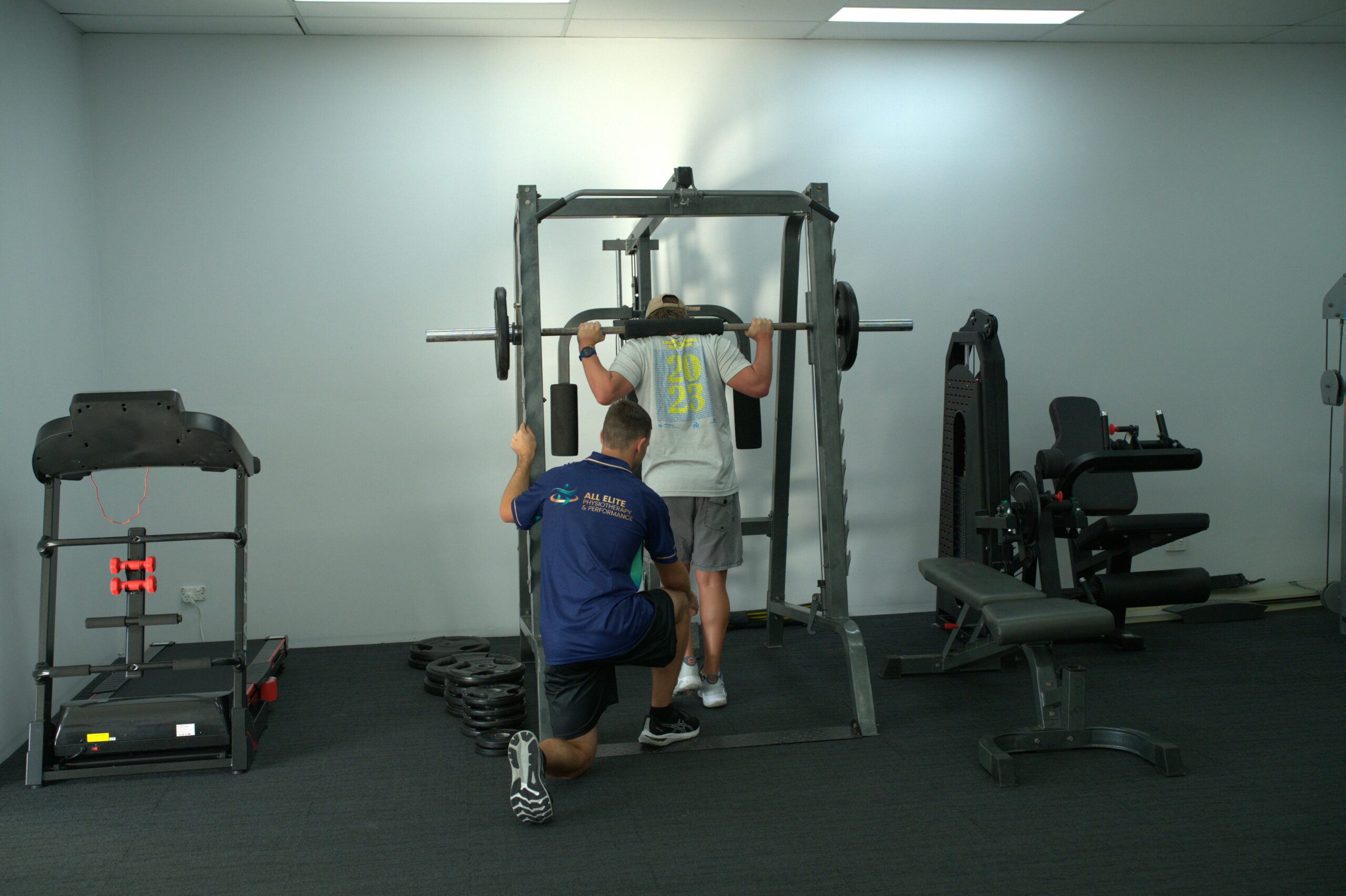
We settle irritation using manual therapy, dry needling where appropriate, and clear guidance on how to adjust training so you can stay as active as possible.

Step 3: Tendon Loading and Strength

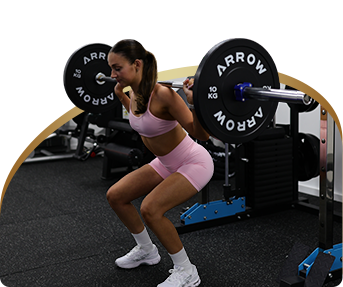
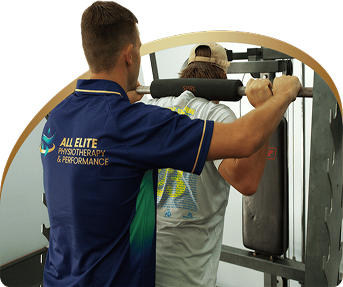
As symptoms ease, we introduce progressive calf and tendon strengthening. This phase builds the tendon's capacity to tolerate load again.

Step 4: Return to Running and Sport

We reintroduce hopping, jumping, running, and change of direction in graded steps. The goal is to prepare the tendon for the real demands of your sport.

Step 5: Ongoing Prevention and Maintenance

Once you are back to full activity, we provide a plan to maintain calf strength, manage training load, and reduce the chance of the problem returning.
sports injury management

Preventing Future Achilles Problems Through Strength and Smart Training

Achilles tendinopathy is one of the most common overuse injuries, and it is also one of the most preventable. Our physiotherapists design programs that focus on strength, load management, and long-term conditioning.

Simple steps you can take include:

  • Increasing running distance, speed, or hill work gradually
  • Keeping regular calf and lower-leg strength training in your routine
  • Replacing running shoes before they are worn out
  • Warming up properly before jumping or sprinting sessions
  • Allowing recovery time between hard sessions
  • Addressing small niggles early, before they build up

We will help you build a personalised plan that suits your sport, lifestyle, and goals.

GET BACK TO RUNNING AND SPORT PAIN-FREE
PERSONALISED ACHILLES TENDINOPATHY PHYSIO
Achilles pain can affect running, jumping, training, and even your first steps out of bed.

At All Elite Physiotherapy & Performance, our tailored physiotherapy treatments focus on reducing pain, rebuilding calf and tendon strength, restoring movement, and addressing the root cause so you can return to sport and daily life with confidence.
Why Choose All Elite Physio?


Choosing us for your achilles tendinopathy treatment is the best decision you'll make to ignite your athletic potential.

We're just behind Service NSW, across the road from Raymond Terrace Bowling Club.
Find Out more
Finally after years of searching I have found a physio that actually listens and makes a difference. James sat down heard my whole story and got to the bottom of the issue. I would recommend him to anyone
Laura Scully
James is an incredible physio who has helped me with various sporting injuries and getting me back on the field. Would highly reccommed him for any treatment, his knowledge and explanations made me feel comfortable we were always heading in the right direction
Jason liu
I have had shoulder and upper back issues for a while now. James is the best physiotherapist I have been to in a long time. He is very knowledgeable and professional. Can't thank him enough!
Laura Garufi
James is by far the best physiotherapist I have ever been to! I have complete trust in him. He is great at explaining everything clearly, relieving my pain and providing a clear plan for my rehabilitation. I would recommend him to anyone and everyone!
Stephen Batger
I have had very bad shoulder issues, that nobody could fix, but James had it feeling much better after 1 visit, and has put a plan in place to keep it good.
David Newall
Highly recommend James. Very professional and has helped me a great deal!
Rowan Garufi
Would recommend these guys. Very professional, efficient and knowledgeable.
Natalie Maire
All Elite are Trusted by Many Local and Regional Sporting Teams

FAQs

Can Achilles tendinopathy go away on its own?

Mild cases can settle with reduced load, but it is common for symptoms to linger or return if the tendon has not been properly strengthened. Tendons adapt slowly, so a structured loading program is usually needed to fully recover.

Should I rest completely if I have Achilles pain?

Complete rest is rarely the best answer. Too much rest can leave the tendon weaker and less able to cope when you return. Your physiotherapist will guide you on how to modify activity so the tendon stays loaded at a safe level.

How long does Achilles tendinopathy take to heal?

Recovery varies with severity and how long symptoms have been present. Mild cases may improve within several weeks, while longer-standing problems can take three months or more. We will give you a realistic timeline after your first assessment.

Can I keep running with Achilles tendinopathy?

In many cases, yes, with modifications. Reducing running volume, avoiding hills or speedwork, and strengthening the calf can often allow you to keep training. Your physiotherapist will help you decide what is safe for your situation.

How do I know if it is tendinopathy or a tear?

Tendinopathy usually builds gradually with stiffness and pain. A rupture is typically sudden, often with a pop or snap, and makes pushing off or rising onto your toes very difficult. If you suspect a tear, seek medical care straight away.
phone