
Physio Dry Needling Benefits for Pain Relief and Muscle Recovery
Key Takeaways
- Dry needling targets muscle trigger points to reduce pain and improve movement in athletes and active individuals.
- The treatment works by releasing tight muscles and improving blood flow, which supports faster recovery.
- It is effective for conditions such as back pain, muscle strain, and sports injuries when used by a qualified physiotherapist.
- Dry needling works best as part of a full physio plan that includes exercise and movement correction.
Muscle tightness, persistent pain, and restricted movement are common issues for athletes and active individuals. These problems can limit performance and slow recovery if not addressed properly. One treatment that has gained strong traction in sports physiotherapy is dry needling. When used as part of a structured physio plan, dry needling can help reduce muscle tension, improve mobility, and support faster recovery from injury.
At All Elite Physiotherapy & Performance, dry needling is used as a targeted treatment to help athletes move better, recover quicker, and get back to doing what they enjoy without ongoing discomfort.
What Is Physio Dry Needling?
Dry needling is a physiotherapy technique that involves inserting thin needles into specific points within the muscle, known as trigger points. These trigger points are tight bands of muscle fibres that can cause pain, restrict movement, and reduce performance.
Unlike acupuncture, which is based on traditional Chinese medicine, dry needling is grounded in modern anatomy and evidence-based physiotherapy. It focuses on treating muscle dysfunction and restoring normal movement patterns.
Physiotherapists use dry needling to target the source of pain directly. By releasing muscle knots and improving tissue function, the technique helps address both the symptoms and underlying causes of discomfort.
How Does Dry Needling Work?

Dry needling works by stimulating the muscle and nervous system to create a therapeutic response. When a needle is inserted into a trigger point, it can cause a brief muscle twitch. This is a normal and often beneficial response that indicates the muscle is reacting to treatment.
This process helps:
- Reduce muscle tension
- Improve blood flow to the affected area
- Decrease pain signals sent to the brain
- Restore normal muscle function
The increase in blood flow delivers oxygen and nutrients to the muscle, supporting the recovery process. At the same time, the nervous system response helps reduce pain sensitivity and allows the muscle to relax.
Over time, this leads to improved range of motion and better overall movement quality, particularly for athletes dealing with tight or overworked muscles.
Key Benefits of Dry Needling
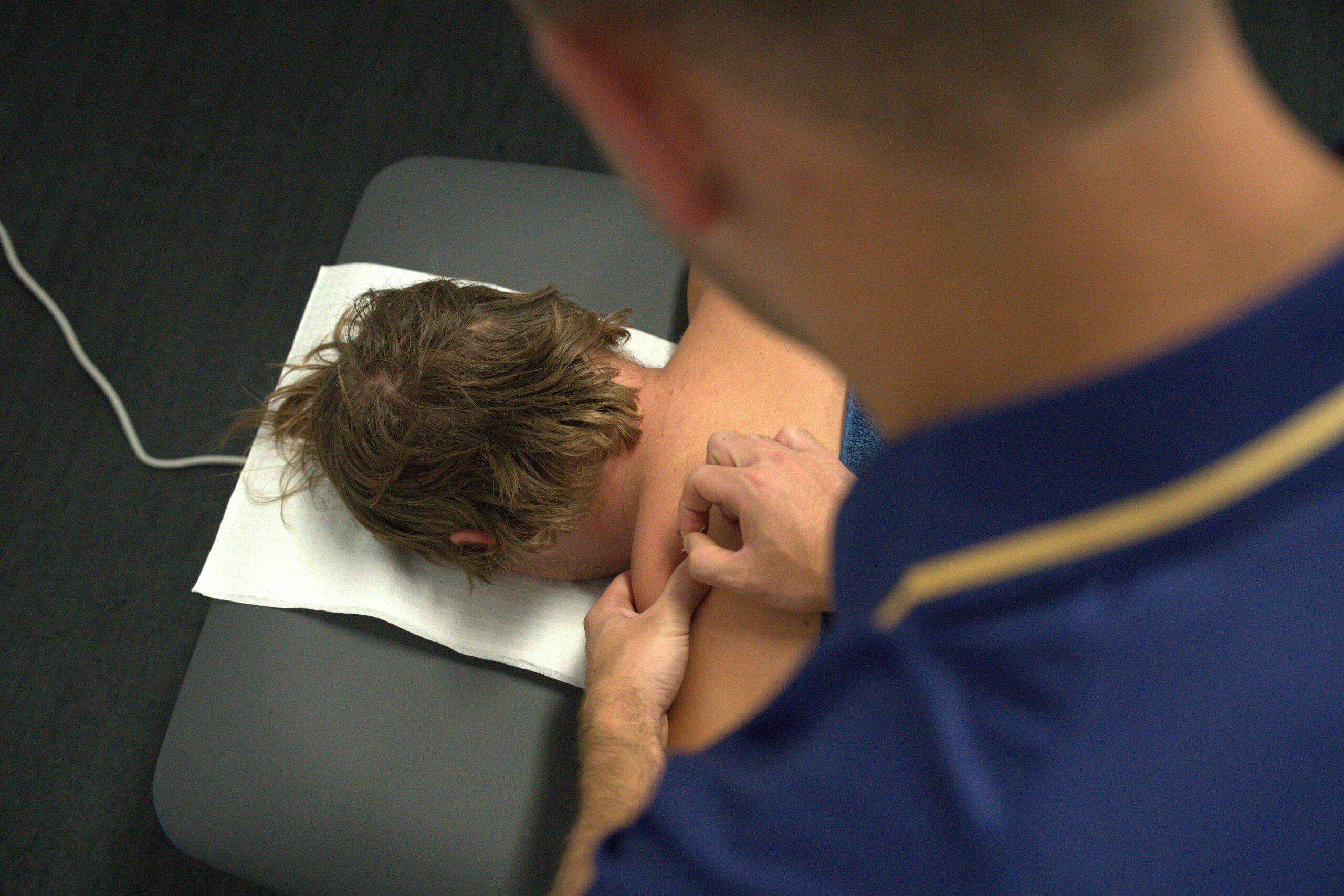
Dry needling offers several benefits for both injury recovery and performance. When used appropriately, it can play a valuable role in reducing pain and improving movement.
Some of the key benefits include:
- Reducing muscle pain and tension
- Releasing trigger points and muscle knots
- Improving range of motion and flexibility
- Increasing blood flow to promote healing
- Supporting faster recovery after training or injury
These benefits make dry needling a highly effective addition to physiotherapy treatment plans, especially for individuals dealing with ongoing muscle tightness or discomfort.
What Conditions Can Dry Needling Help With?
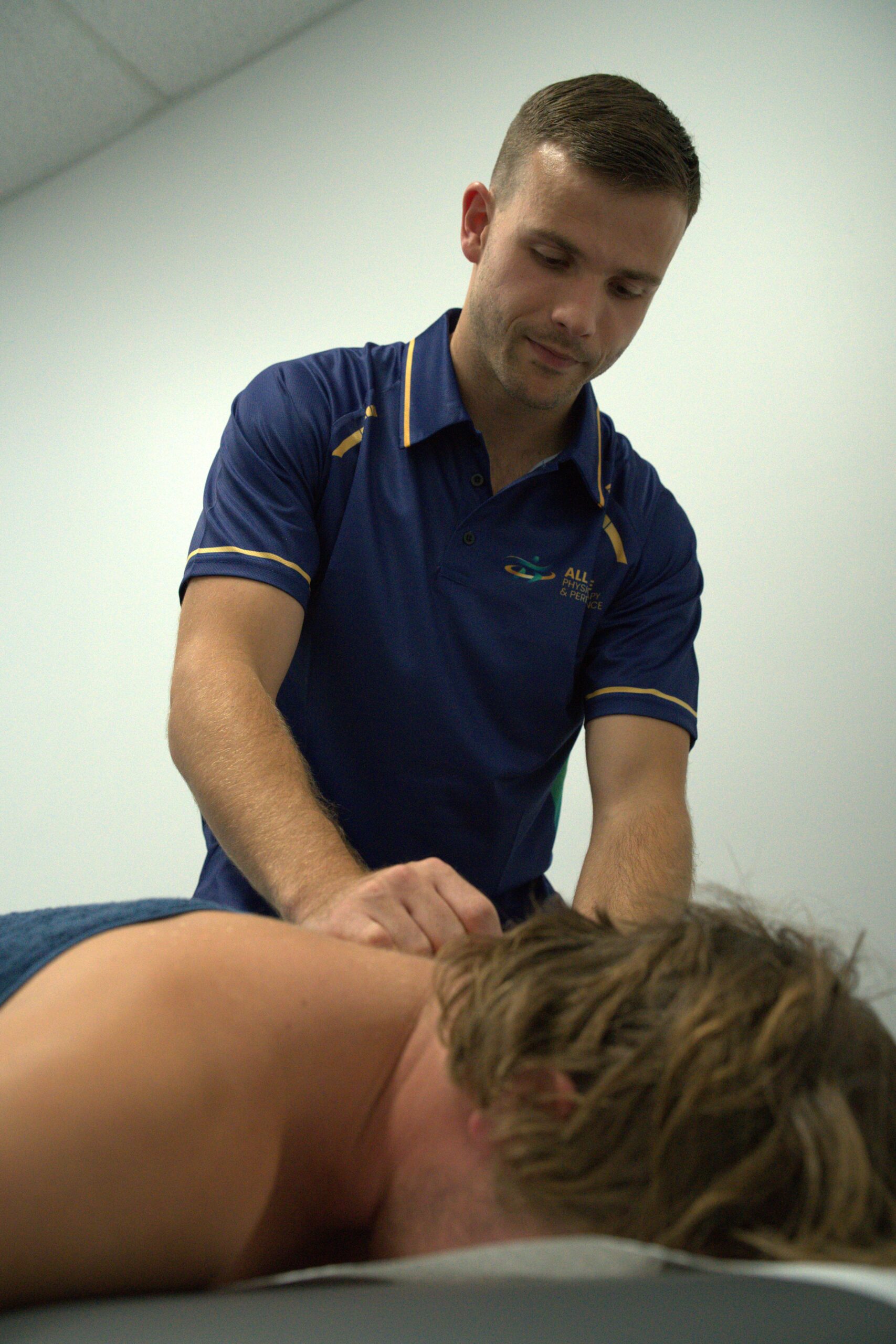
Dry needling is commonly used to treat a wide range of musculoskeletal conditions. It is particularly effective for issues involving muscle tightness, trigger points, and restricted movement.
Some of the most common conditions include:
- Neck and shoulder pain
- Lower back pain
- Muscle strains and tightness
- Tendon-related pain
- Sports injuries
Athletes experiencing ongoing discomfort or reduced mobility often benefit from targeted treatment. Dry needling can also support recovery alongside other common sports injury treatments to ensure a well-rounded approach to rehabilitation.
Dry Needling for Athletes and Active Individuals
For athletes, recovery and performance go hand in hand. Tight muscles, fatigue, and repetitive movement patterns can all contribute to reduced performance and increased injury risk.
Dry needling can help address these issues by improving muscle function and reducing tension. This allows athletes to move more efficiently and recover faster between training sessions.
Many athletes use dry needling as part of their regular recovery routine to:
- Maintain mobility and flexibility
- Reduce muscle tightness after training
- Improve movement efficiency
- Support ongoing performance
When combined with structured rehab exercises for injuries, dry needling can enhance recovery outcomes and help athletes return to sport safely.
What Does Dry Needling Feel Like?
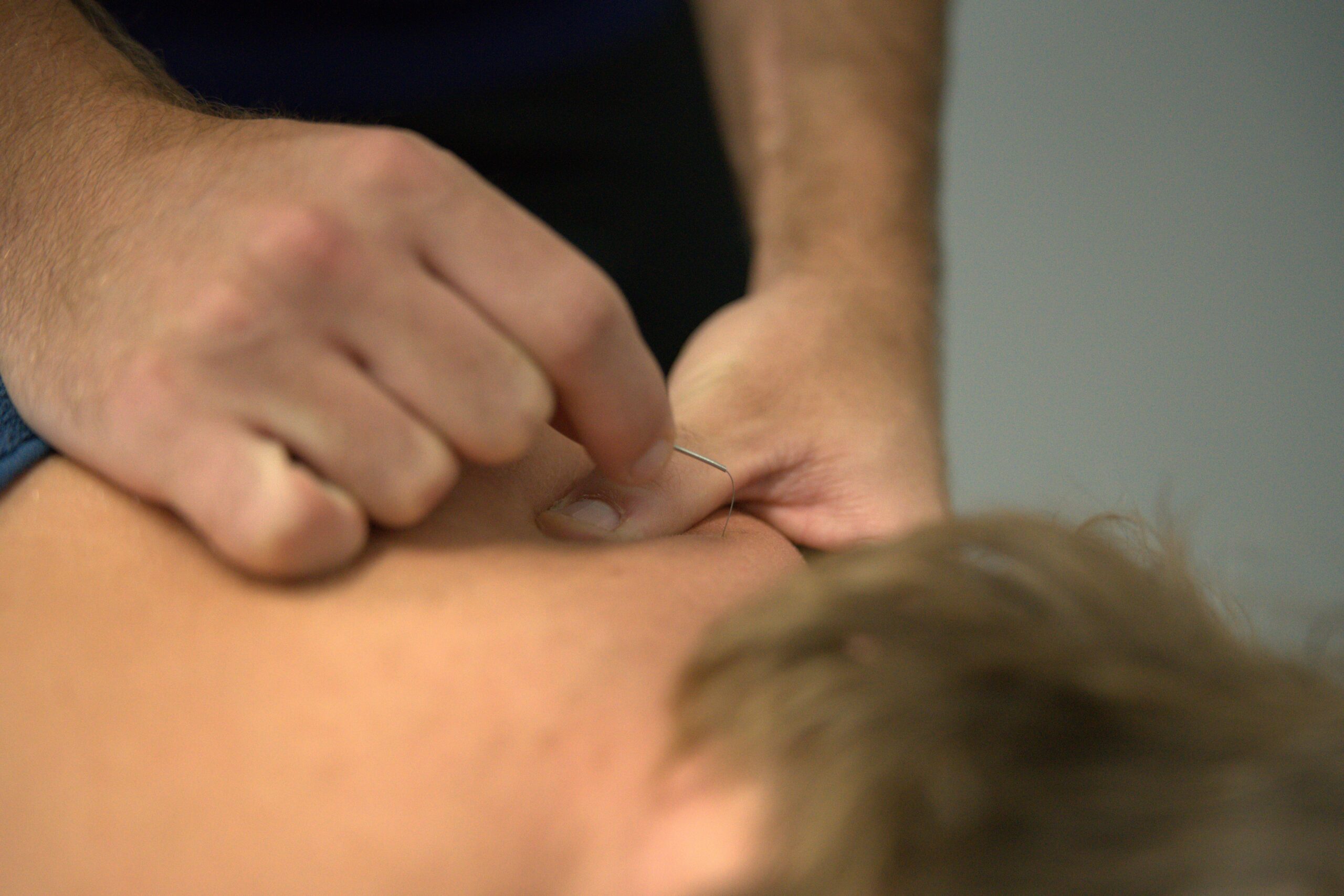
One of the most common questions about dry needling is whether it is painful. The experience can vary depending on the individual and the area being treated.
When the needle is inserted, there may be a slight discomfort or a dull ache. In some cases, a quick muscle twitch may occur when the trigger point is activated. This is a normal response and often indicates the treatment is targeting the right area.
After treatment, some people experience mild soreness similar to what you might feel after a workout. This usually settles within 24 to 48 hours.
Most patients find the benefits outweigh the temporary discomfort, especially when it leads to reduced pain and improved movement.
Is Dry Needling Safe?
Dry needling is considered a safe and effective treatment when performed by a qualified physiotherapist. At All Elite Physiotherapy & Performance, all treatments are carried out by trained professionals who understand anatomy and muscle function in detail.
Safety is always a priority. The treatment is precise, controlled, and tailored to each individual’s condition and needs.
Before starting, your physiotherapist will assess your condition and determine whether dry needling is appropriate as part of your treatment plan.
Dry Needling vs Acupuncture: What’s the Difference?
Dry needling and acupuncture both use similar needles, but they are very different in their approach and purpose.
Dry needling is based on Western medicine principles and focuses on treating specific muscle dysfunction and trigger points. It is used to relieve pain, improve movement, and support injury recovery.
Acupuncture, on the other hand, is based on traditional Chinese medicine and focuses on balancing energy pathways within the body.
For athletes and individuals with musculoskeletal issues, dry needling is typically the preferred option because it directly targets the muscles and structures responsible for pain and restriction.
When Should You Consider Dry Needling?
Dry needling can be beneficial in a range of situations, particularly when muscle tightness or pain is limiting movement or performance.
You may benefit from dry needling if you are experiencing:
- Persistent muscle tightness
- Reduced flexibility or range of motion
- Pain during or after training
- Ongoing discomfort that is not improving
Early intervention can help prevent minor issues from becoming more serious injuries. A physiotherapist can assess your condition and determine whether dry needling is suitable for your needs.
How Dry Needling Fits Into a Physio Treatment Plan
It is important to understand that dry needling is not a standalone solution. It works best as part of a broader physiotherapy treatment plan that addresses the root cause of the issue.
A complete approach may include:
- Strength and conditioning exercises
- Movement retraining
- Load management strategies
- Manual therapy techniques
Dry needling helps reduce pain and improve muscle function, which makes it easier to perform exercises and progress through rehabilitation. This combination leads to more effective and long-lasting results.
Support Your Recovery and Move Better
Dry needling is a powerful tool for reducing pain, improving movement, and supporting recovery. When used as part of a structured physio plan, it can help athletes and active individuals return to training with greater confidence and performance.
Addressing muscle tightness early and improving movement patterns can make a significant difference in both short-term recovery and long-term physical health. For those looking to move better and stay active, professional guidance is essential.
If you are dealing with ongoing muscle pain, tightness, or restricted movement, incorporating dry needling into your treatment plan may help you recover faster and perform at your best.